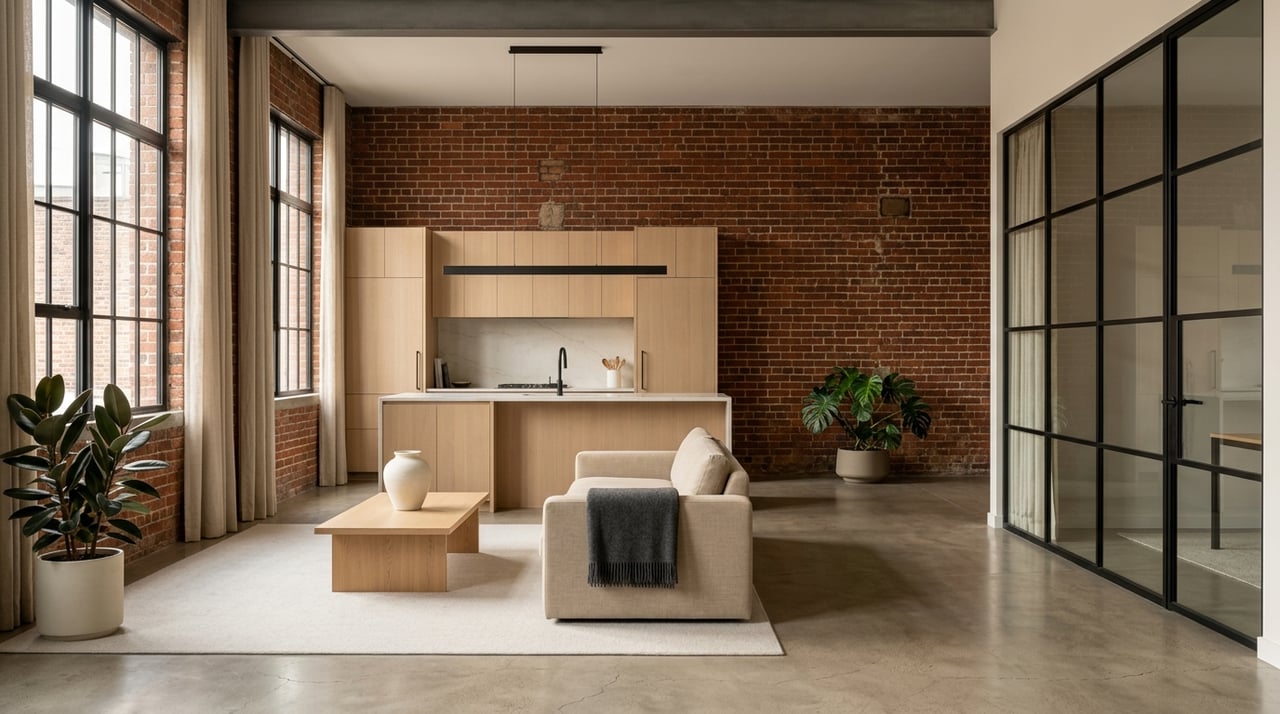
Do you want a home that feels both architectural and lived-in, with real character the moment you walk through the door? A West Loop loft offers exactly that kind of experience, but it also comes with practical day-to-day considerations that are worth understanding before you buy. If you are curious about the look, feel, and rhythm of loft living in one of Chicago’s most dynamic neighborhoods, this guide will help you picture it clearly. Let’s dive in.
West Loop loft style stands out
A big part of the appeal is the setting itself. West Loop grew from a former industrial and meatpacking district into a neighborhood where historic warehouses now sit alongside restaurants, mixed-use spaces, and newer residential buildings. That layered history gives the area a visual identity that feels distinct from many other parts of Chicago.
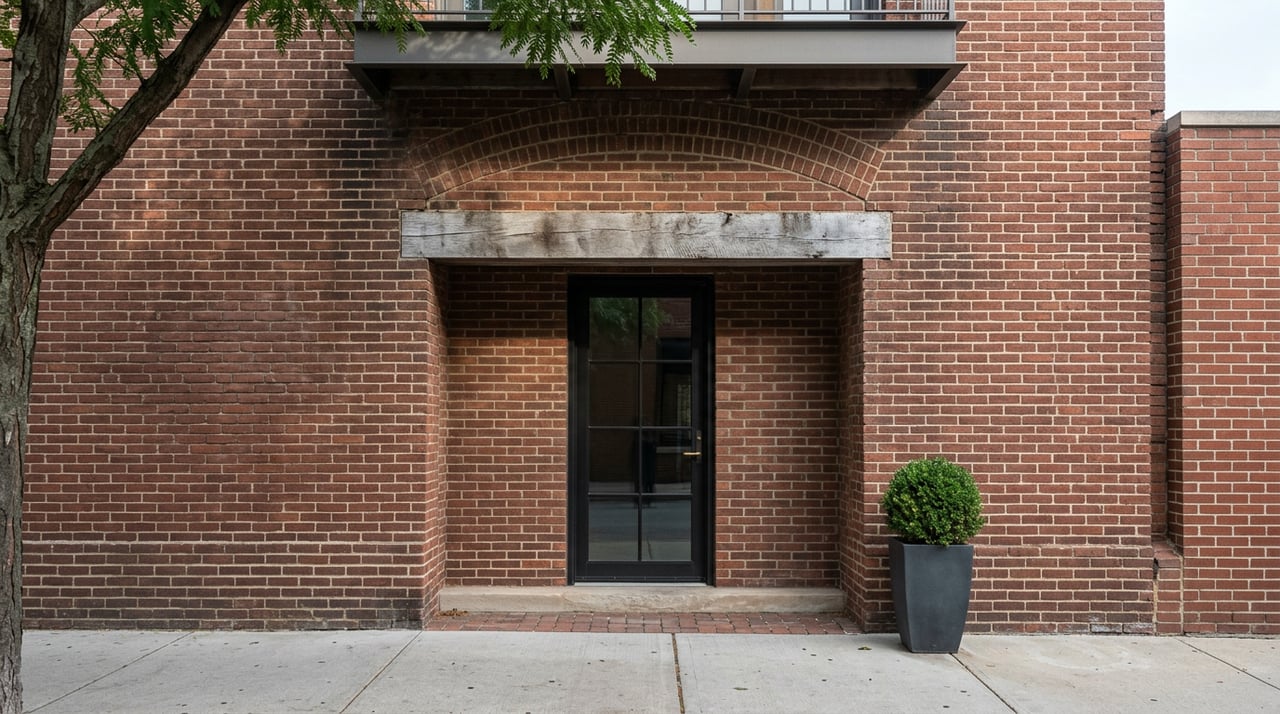
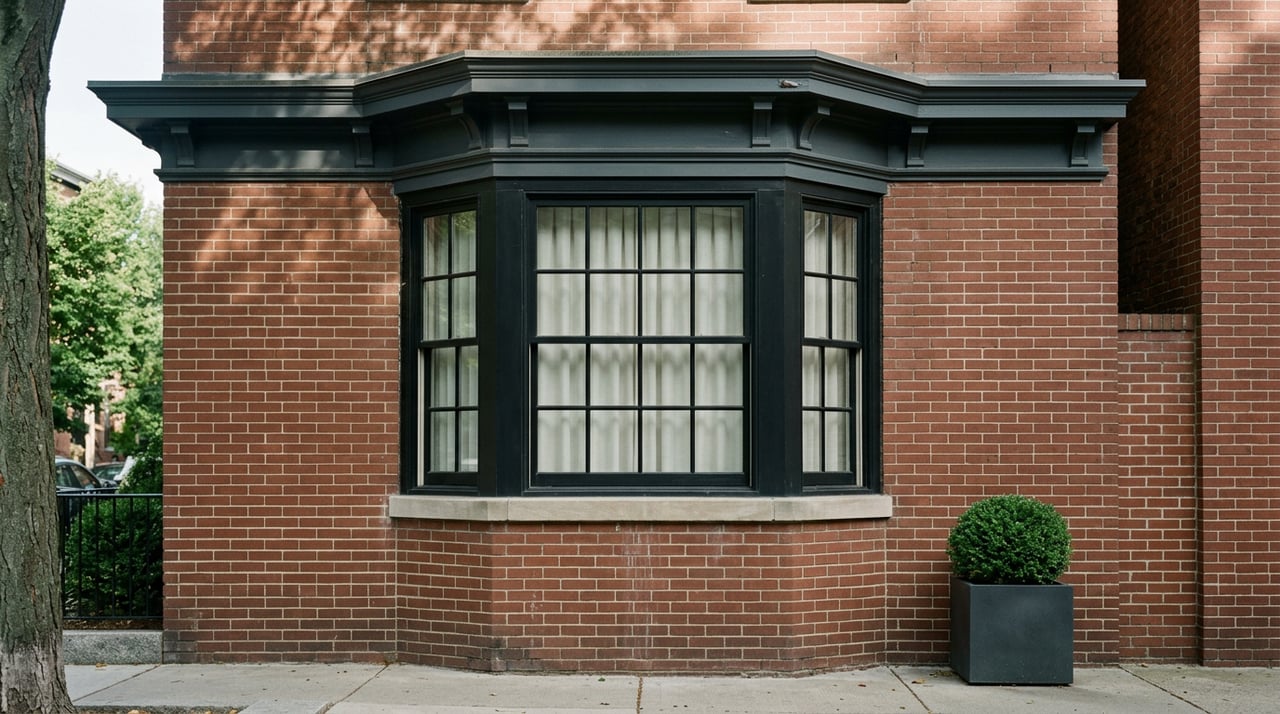
In a true loft building, you will often see the original industrial bones still doing the heavy lifting. Many historic West Loop lofts were built with masonry exteriors, heavy timber or reinforced concrete structures, brick facades, expansive windows, and tall ceilings that often range from 10 to 14 feet. Those features create the sense of volume and texture that many buyers are looking for when they say they want something with character.
West Loop is not frozen in time, though. The neighborhood is now a mix of converted factories, warehouse lofts, newer residential high-rises, and some of the city’s busiest dining corridors. On certain blocks, especially near the Fulton-Randolph Market landmark district, the warehouse feel remains especially strong because roughly 85 historic industrial buildings are protected there.
Loft interiors feel open and bright
If you have ever walked into a loft and immediately felt like the space was bigger than the square footage suggested, there is a reason for that. Open-concept layouts tend to create a stronger sense of spaciousness, and expansive windows help natural light reach farther into the home. In a West Loop loft, that combination is often one of the first things you notice.
The openness can also give you more flexibility. A larger main living area can support dining, entertaining, relaxing, and working from home without feeling too boxed in. If you enjoy interiors that feel airy and adaptable, that is one of the clearest lifestyle benefits.
That said, the best lofts balance drama with function. When you tour a unit, it helps to look beyond the wow factor and ask whether the layout creates clear zones for sleeping, dining, and work. A loft tends to live best when it feels open but still supports your daily routine.
Light is usually a real advantage
Historic loft buildings were known for expansive windows, and that often translates into bright interiors. Natural light can make the home feel more welcoming throughout the day and can help highlight the details that make loft living special, from exposed brick to tall ceilings.
If brightness matters to you, pay attention to how light moves through the unit at different times of day. In an open plan, shared light can benefit more than one area of the home, which is one reason lofts often photograph and show beautifully.
Flexibility can be a major perk
Loft living can work well for buyers who do not need every activity tucked into a separate room. You may be able to create a dining area, reading corner, desk setup, or workout space within one larger footprint. That flexibility is part of the appeal for many urban buyers who want a home that can shift with their schedule.
Still, flexibility works best when the space has enough wall area and furniture placement options. In some lofts, the open layout is easy to style and organize. In others, the lack of natural divisions can take more planning.
Everyday living has a few tradeoffs
Lofts are appealing, but they are not all upside. Open-concept research points to a few common tradeoffs that matter in everyday life, including less privacy, less built-in storage, and more sound moving through the space. Larger open rooms can also have echoes, which can make the home feel different from a more traditional floor plan.
Temperature control can be another consideration. Bigger interiors with more glass may have a larger heating and cooling burden, which means comfort can feel less predictable than in a smaller, more compartmentalized home. That does not make loft living a bad fit, but it does mean you should evaluate comfort as carefully as aesthetics.
The goal is not to avoid these realities. It is to know what to look for so you can choose a space that supports the way you actually live.
Sound and privacy matter more than you think
In an open loft, sound travels more easily. If one person is on a work call and another is watching television or cooking, you may notice the overlap more than you would in a home with more doors and walls. That is especially important if you work from home often.
Privacy can also feel different in a loft. Even when there is a defined sleeping area, the overall experience is usually more connected and less separated than a traditional condo layout. For some buyers, that feels stylish and easy. For others, it takes adjustment.
Storage deserves a close look
Storage is one of the most practical questions to ask in any loft. Open plans can reduce built-in storage, so a beautiful main room does not always mean the home will function well for everyday life. Closets, pantry space, utility storage, and room for larger items all matter.
When you tour, think beyond staging. Ask yourself whether you have enough closet space, enough room for daily essentials, and enough flexibility to keep the home feeling calm instead of cluttered. In loft living, good storage can make a major difference.
West Loop life extends beyond your walls
Living in a West Loop loft is not just about the unit itself. It is also about stepping outside and having a lot within easy reach. The neighborhood is known for its dense, central layout, where dining, parks, transit, and nightlife sit close together rather than being spread out.
Dining is the headline amenity for many residents. West Loop is widely known for Randolph Street Restaurant Row and nearby Fulton Market, with options that range from tasting menus to barbecue, pasta, sushi, and more casual neighborhood spots. If you enjoy meeting friends for dinner, trying new restaurants, or having a strong food scene woven into daily life, that energy is part of the draw.
There is more to the neighborhood than restaurants, though. Greektown, Epiphany Center for the Arts, WNDR Museum, City Winery, and Randolph Street Market all add to the area’s after-work and weekend rhythm. The result is a neighborhood that often feels active, social, and easy to plug into.
Green space helps balance the energy
One of the most helpful counterpoints to the busy streetscape is Mary Bartelme Park. The park includes a fountain plaza, children’s play area, sunken dog park, open lawn, viewing hill, and enclosed seating areas. For many residents, it adds breathing room to a neighborhood better known for brick, glass, and restaurant patios.
The Chicago Riverwalk is also close enough to shape your routine. The 1.25-mile pedestrian promenade on the south bank of the Chicago River includes restaurants, public art, boat rentals, and performance seating. If you like to walk, unwind outdoors, or break up your day with a change of scenery, that access can be a real benefit.
Transit supports a car-light routine
For many buyers, West Loop works because it is connected. CTA’s Morgan station serves the Green and Pink lines, and the Pink Line’s Clinton station connects to Metra’s Ogilvie Station. That setup can make it easier to move between the neighborhood, downtown, and commuter rail without relying heavily on a car.
The neighborhood’s appeal is partly about proximity. West Loop is often described as a place where you can live, work, and spend your free time in close range. If convenience and walkability are high on your list, that can shape your day in a meaningful way.
What to look for in a West Loop loft
Not every loft will fit every lifestyle, even within the same neighborhood. A smart search focuses on how the home functions, not just how it looks in listing photos. The strongest options usually combine architectural character with practical livability.
As you compare properties, keep an eye on a few essentials:
- Window size and natural light
- Closet and storage capacity
- Noise flow across the unit
- Space for sleeping, dining, and work zones
- Wall area for furniture placement
- Overall temperature comfort in the main living space
If you love the look of loft living, these details help you find a home that still feels comfortable on an ordinary Tuesday, not just during a showing.
Why West Loop lofts stay appealing
A West Loop loft offers a specific kind of city living. You get industrial character, tall ceilings, big windows, and a floor plan that often feels more expressive than conventional condo layouts. You also get a neighborhood where restaurants, culture, parks, and transit are part of the everyday experience.
At the same time, loft living asks you to think carefully about storage, privacy, sound, and comfort. When you find a unit that balances those practical needs with the open, architectural feeling lofts are known for, the result can be a home that feels both stylish and easy to live in.
If you are thinking about buying or selling in West Loop, Colby Price offers a calm, design-aware approach with personalized guidance tailored to how you want to live.
FAQs
What makes a West Loop loft different from a typical condo?
- A West Loop loft often features industrial details like brick facades, large windows, tall ceilings, and open layouts in converted warehouse-style buildings, which creates a different feel from a more traditional condo floor plan.
Is West Loop loft living good for people who work from home?
- It can be, especially if you value light and flexible open space, but you should pay close attention to sound travel, privacy, and whether the layout gives you a practical work zone.
Are West Loop lofts usually bright inside?
- Many are, because expansive windows were a common feature of historic loft buildings and open layouts help light travel across the space.
What should buyers check before buying a West Loop loft?
- Buyers should look closely at storage, noise flow, furniture layout options, natural light, and how easily the unit supports everyday routines like sleeping, dining, and working.
What is daily life like around a West Loop loft?
- Daily life often includes easy access to major dining corridors, cultural destinations, green space like Mary Bartelme Park, and transit options that support a convenient urban routine.