If you have ever wondered why one Near North Side home feels like a classic Chicago residence while another feels like a glass-wrapped perch above the city, you are not imagining it. This part of Chicago is defined by contrast, and that is exactly what makes it so compelling for buyers and sellers alike. Understanding the architectural character of Near North Side homes can help you narrow your search, price a property more thoughtfully, and recognize what style truly fits the way you want to live. Let’s dive in.
Near North Side Has No Single Look
The Near North Side is not one uniform architectural district. According to the Chicago Architecture Center’s neighborhood overview, it includes Gold Coast, Old Town, River North, and Streeterville, each with a different built environment and residential feel.
That mix shows up in the housing itself. The lakefront side is known for residential towers and major institutions, while the western side includes more repurposed industrial buildings and a busy dining and nightlife scene. For you as a buyer or seller, that means the phrase “Near North Side home” can describe everything from a vintage co-op to a modern high-rise condo.
Condo Living Defines The Area
If you picture the Near North Side as condo-heavy, the data supports that view. A Housing Studies release on Cook County’s housing market notes that condos make up more than half of all housing units in dense central Chicago neighborhoods, and the Near North Side is one of them.
A CMAP community snapshot for Near North Side shows just how strongly multiunit housing shapes the area. About 89.1% of housing units are in buildings with 20 or more units, while only 2.2% are detached single-family homes and 2.0% are single-family attached homes.
That same snapshot also helps explain the neighborhood’s visual identity. The median year built is 1987, 31.1% of units were built from 1990 to 2009, and 16.2% were built in 2010 or later. In short, much of the housing stock is relatively modern by Chicago standards.
What The Numbers Mean In Real Life
The Near North Side often reads as vertical, amenity-oriented, and space-efficient. CMAP reports that 57.4% of units are studio or one-bedroom homes, which helps explain why many buildings emphasize convenience, services, views, and shared amenities alongside compact floor plans.
This does not mean every home feels the same. It means the area is shaped more by towers and multiunit buildings than by blocks of detached houses. If you are shopping here, your search will likely center on condos first, with townhomes and co-ops as more specialized options.
Gold Coast Brings Vintage Masonry And Ornament
For historic residential character, Gold Coast is one of the strongest examples in the Near North Side. Choose Chicago’s guide to historic districts notes that the Astor Street District includes homes built over more than 60 years in styles such as Queen Anne, Richardsonian Romanesque, and Georgian Revival.
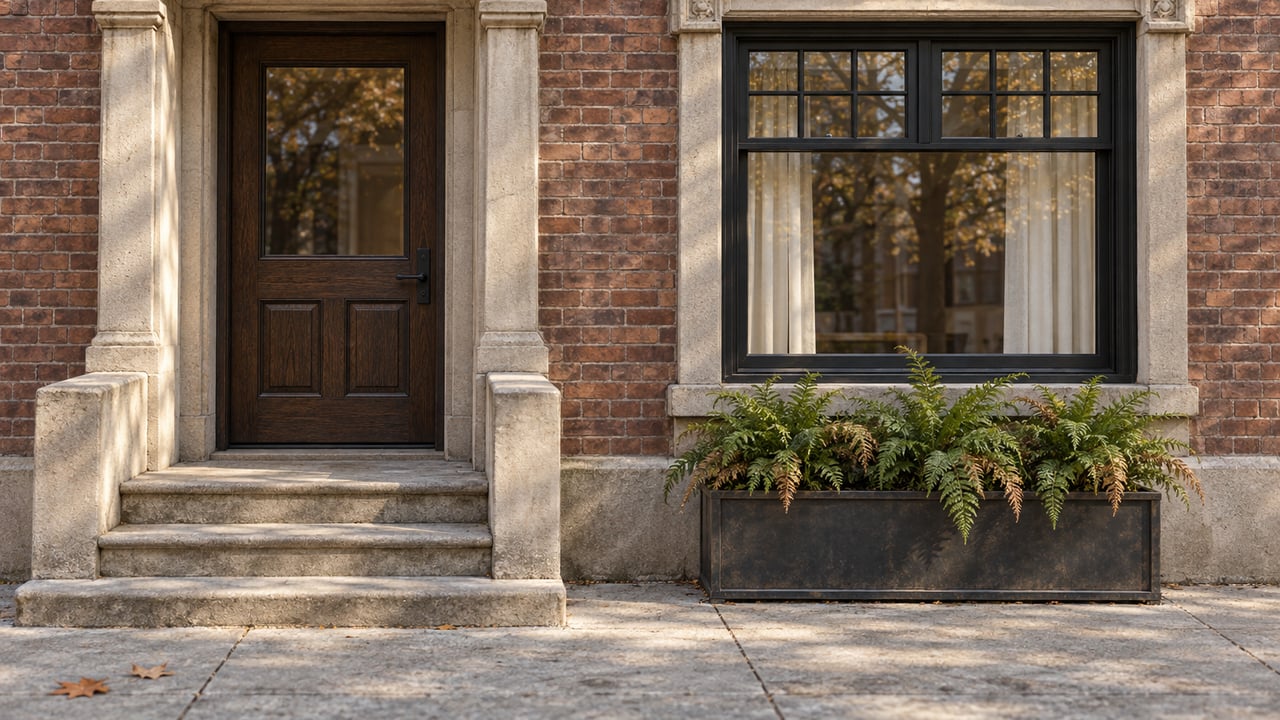
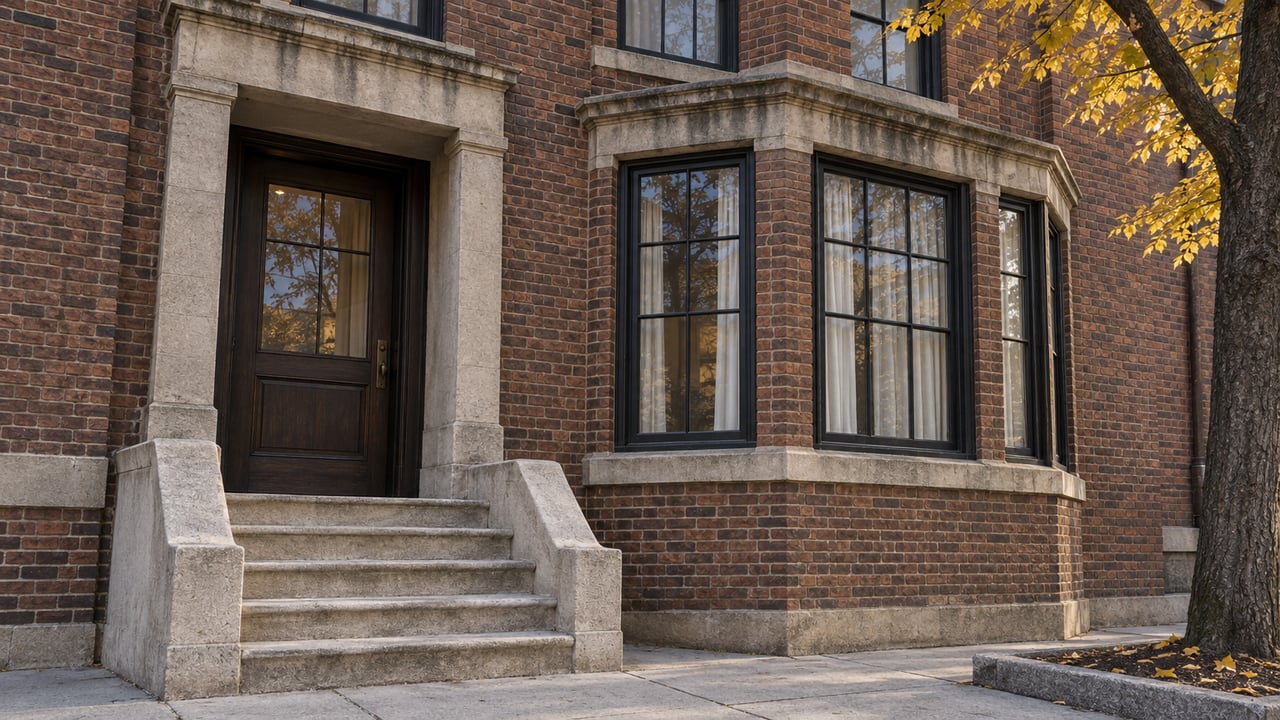
This is where you often see masonry facades, decorative detail, and a more formal sense of proportion. Instead of the all-glass look common in newer towers, many vintage buildings in this pocket project weight, texture, and craftsmanship from the street.
A standout example is 1550 N State Parkway, built in 1912 by Marshall & Fox. It originally featured 15-room apartments with more than 9,000 square feet per floor, along with bowed windows and metal balconies. Even if your own search is far more modest in scale, this building helps illustrate the generous room sizes and ornamented facades associated with prewar luxury living in the area.
Old Town Offers Lower-Rise Character
If you prefer a more intimate streetscape, Old Town stands apart from the tower-heavy parts of the Near North Side. Choose Chicago’s historic district overview notes that Old Town Triangle preserves a lower-rise and more irregular street fabric, with portions that predate the Great Chicago Fire.
The architecture there reflects that layered history. The district includes early Adler and Sullivan row houses, as well as townhomes by Harry Weese and Walter Netsch. For you, that can translate into a home that feels more street-connected, with a lower-rise scale and a different rhythm than a lakefront tower.
Charnley-Persky Shows A Different Kind Of Historic Design
Not all historic architecture in the Near North Side is highly ornate. The Charnley-Persky House, completed in 1892, offers a useful contrast with its simple rectangular form, unadorned brick walls, flowing interiors, and a three-story light well.
That matters because it broadens the conversation beyond “old equals decorative.” In the Near North Side, vintage character can also mean restrained materials, thoughtful natural light, and an interior layout that feels surprisingly modern in spirit.
Co-Ops And Townhomes Are Niche But Important
Most buyers in the Near North Side will encounter condos first, but co-ops and townhomes remain an important part of the area’s identity. In Gold Coast especially, cooperative ownership has long been part of the neighborhood’s residential vocabulary.
The 1320 North State Parkway building overview identifies the property as a cooperative apartment building and notes that this ownership structure is less common in Chicago outside prestigious vintage buildings. A historic report for North DuSable Lake Shore Drive also references Gold Coast co-operative apartment structures from the 1920s, reinforcing that co-ops are not a recent niche here.
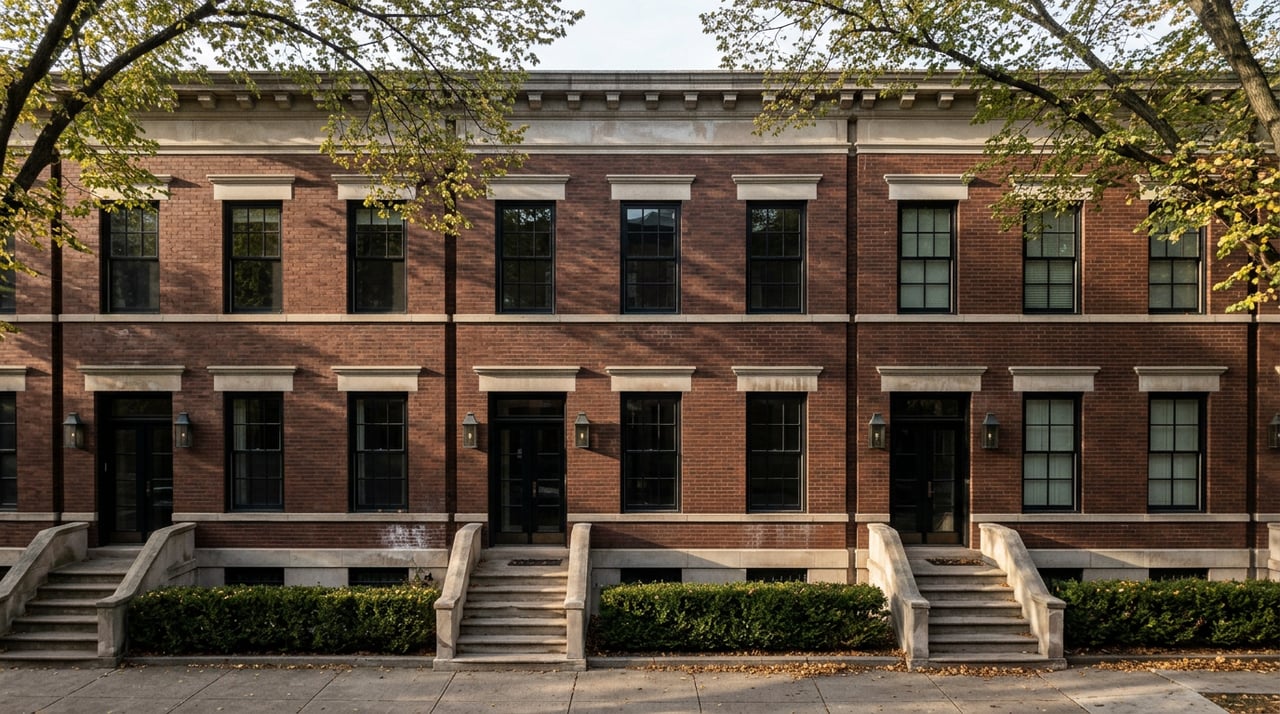
Townhomes and rowhouses are most closely associated with Old Town. If you want a street-facing home with a more private, low-rise feel, that is one of the clearest places to focus your search within the broader Near North Side.
Streeterville Highlights Glass And Height
Streeterville tells a different architectural story. The Chicago Architecture Center’s Streeterville tour describes the area as evolving from stately stone mansions to sleek glass high-rises, with Revival-style mansions, Art Deco apartments, and supertall Modernist towers along East Lake Shore Drive.
This progression helps explain why Streeterville can feel so visually dramatic. Instead of one dominant style, you see a sequence of residential eras layered into a compact area, from older masonry buildings to contemporary skyline-defining towers.
One of the clearest examples is 860-880 North Lake Shore Drive, completed in 1951 by Mies van der Rohe. The pair of International Style apartment towers uses glass and steel, sits at right angles to maximize Lake Michigan views, and deliberately avoids ornament so the buildings read as transparent volumes.
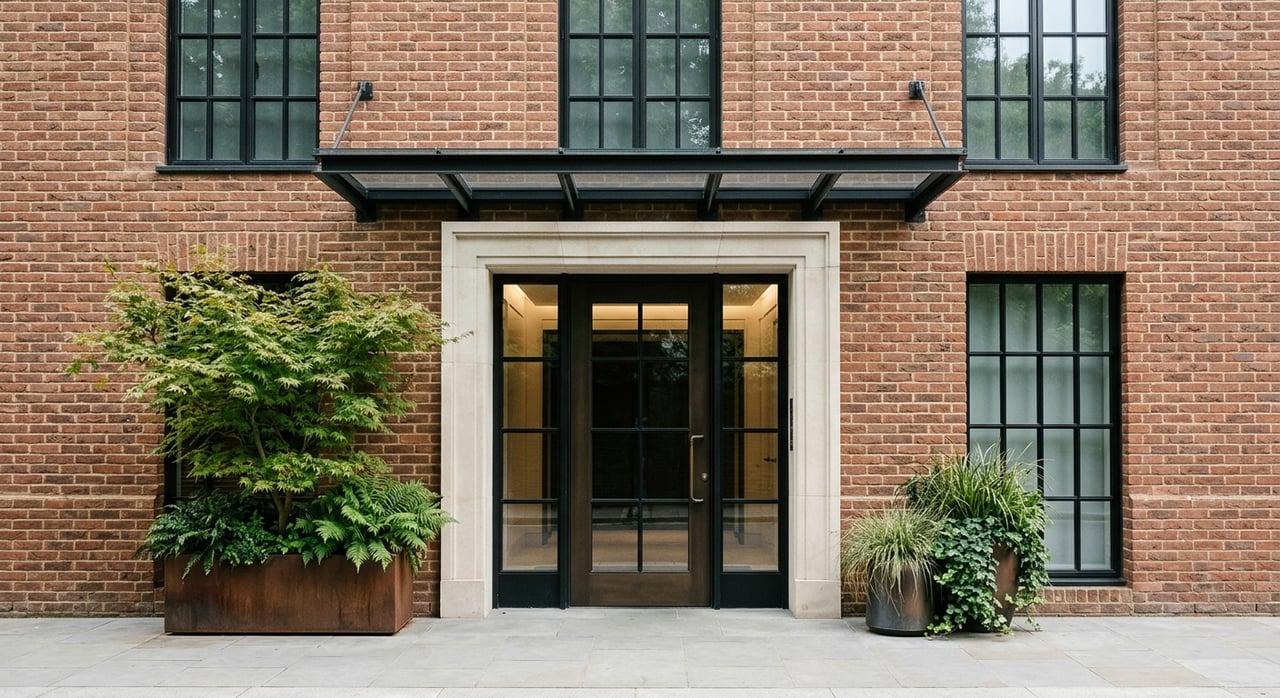
For many buyers, that design language translates into more daylight, broader views, and a distinctly vertical living experience. Compared with vintage masonry buildings, newer and Modernist towers often feel lighter, more open to the skyline, and more focused on outlook than enclosed room-by-room formality.
River North Adds Adaptive-Reuse Energy
While this article focuses most on residential architecture, River North contributes another piece to the Near North Side story. The Chicago Architecture Center neighborhood overview notes that the western side of the community includes more repurposed industrial buildings.
That gives some parts of the area a different visual language. Instead of lakefront glass or historic mansion districts, you may see loft-style buildings and converted structures that reflect the neighborhood’s commercial and industrial past.
How To Read Architectural Character As A Buyer
When you tour homes in the Near North Side, it helps to think in terms of tradeoffs rather than “best” style. The area’s architecture is defined by contrasts, and each one tends to shape daily life in a different way.
Here are a few practical patterns to watch for:
- Vintage masonry buildings often emphasize facade detail, thicker walls, and more formal room arrangements.
- Modern and contemporary towers often prioritize glass, views, daylight, and a more vertical living experience.
- Townhomes and rowhouses often provide a more street-facing, lower-rise feel.
- Co-ops are less common but remain part of the Gold Coast’s long-established residential tradition.
If you are in the early research stage, this lens can save time. Instead of searching only by price or bedroom count, you can also search by the kind of living experience you want.
Why Architectural Context Matters For Sellers
If you are selling in the Near North Side, architectural context can shape how your home is positioned. A vintage Gold Coast apartment, an Old Town townhome, and a newer Streeterville condo may all appeal to different buyers even at similar price points.
That is why presentation matters. The most effective marketing often highlights the features buyers already associate with the property type, whether that is prewar scale, street-level character, or skyline views. In a neighborhood defined by design contrast, strong positioning can make your home easier for the right buyer to understand and remember.
If you want help navigating Near North Side condos, townhomes, or vintage buildings with a calm, design-aware approach, connect with Colby Price. Her concierge-level buyer and seller guidance is built for central Chicago homes where presentation, neighborhood knowledge, and architectural nuance truly matter.
FAQs
What types of homes are most common in the Near North Side?
- Near North Side housing is overwhelmingly multiunit, with CMAP reporting that 89.1% of units are in buildings with 20 or more units, making condos and large residential buildings the dominant housing type.
What architectural styles define Gold Coast homes?
- Gold Coast is known for vintage masonry residences and historic revival styles, including Queen Anne, Richardsonian Romanesque, and Georgian Revival, especially in the Astor Street District according to Choose Chicago.
What makes Old Town homes different from Streeterville homes?
- Old Town is generally associated with a lower-rise, more irregular street pattern and rowhouse or townhome character, while Streeterville is known for an evolution from mansions to Art Deco and Modernist high-rises, as described by Choose Chicago and the Chicago Architecture Center.
Are co-ops common in the Near North Side?
- Co-ops are not the most common ownership type in the Near North Side, but they are an established part of Gold Coast’s vintage housing tradition, as noted by 1320 North State Parkway and a historic North DuSable Lake Shore Drive report.
What should buyers look for when comparing Near North Side home styles?
- Buyers should compare how each property type lives day to day, including whether they prefer vintage masonry character, formal room layouts, street-facing townhome living, or the glass, views, and vertical feel often found in newer towers.