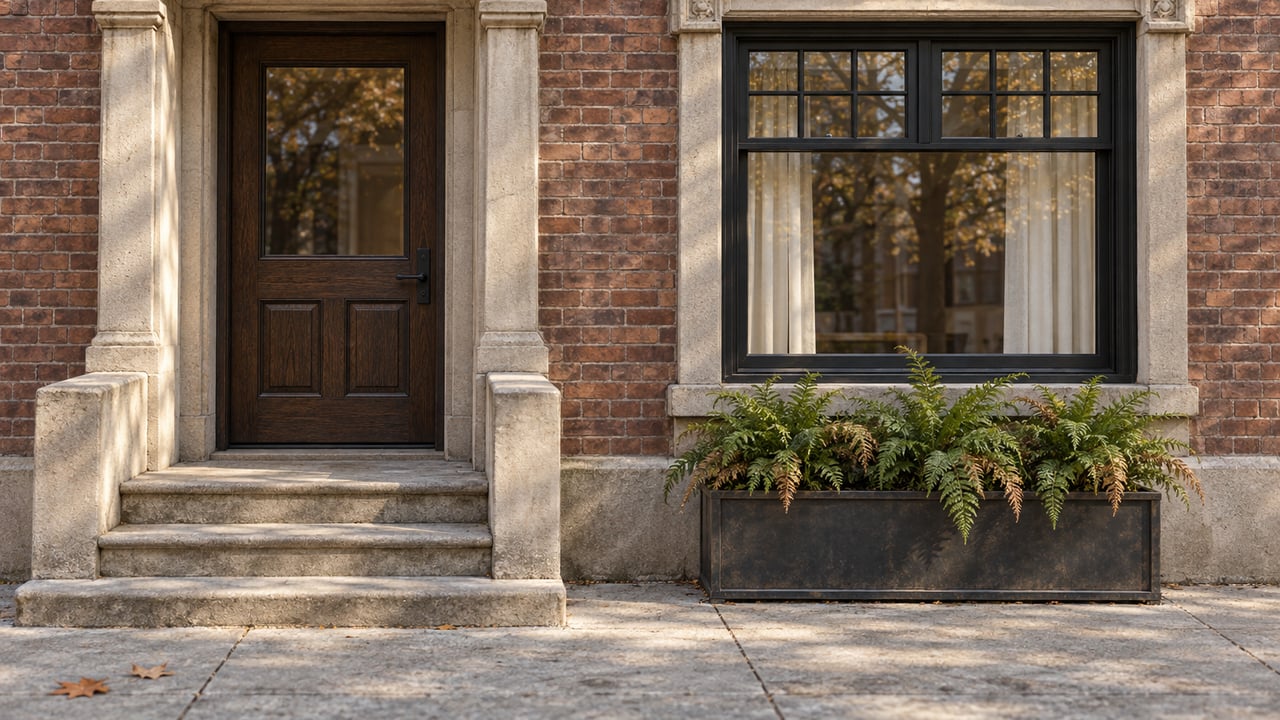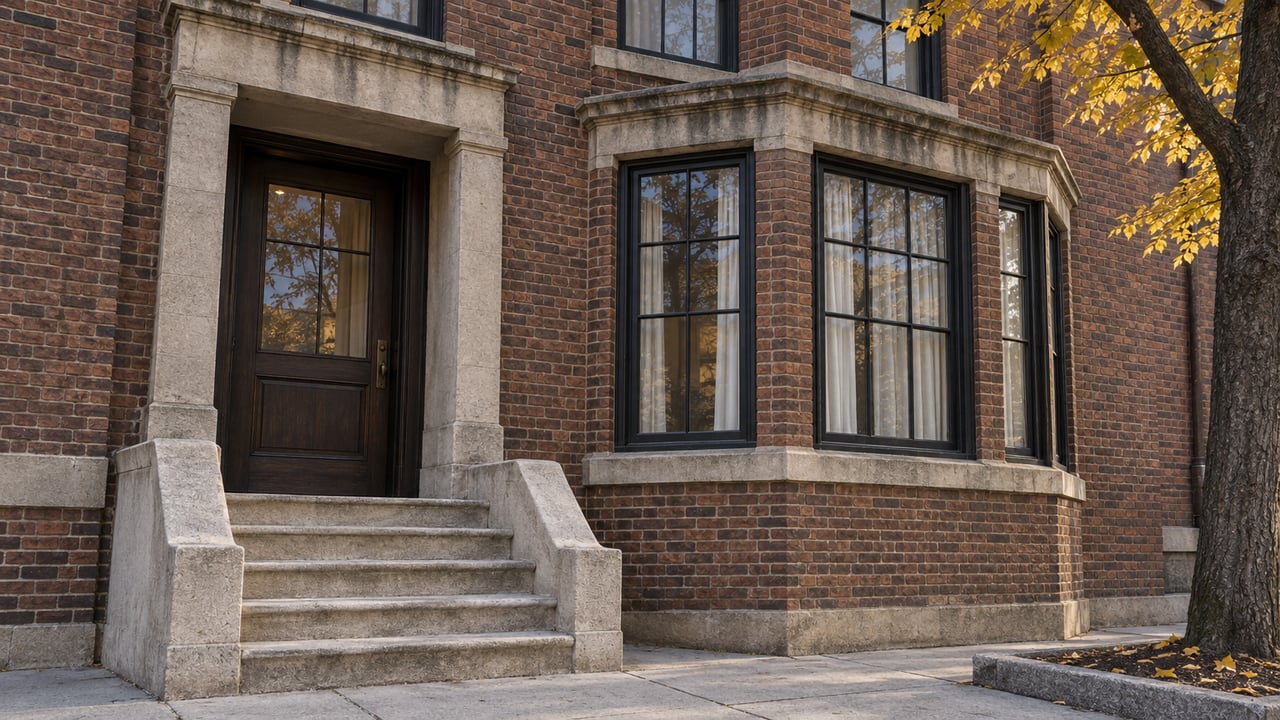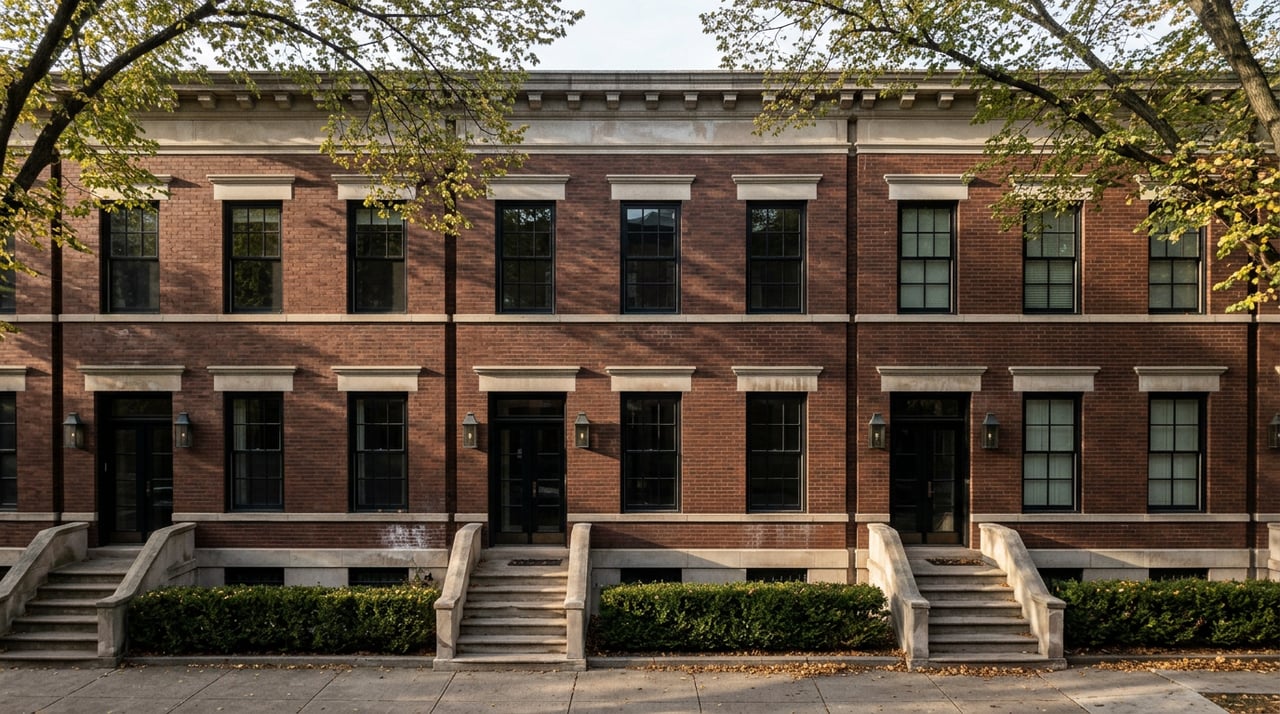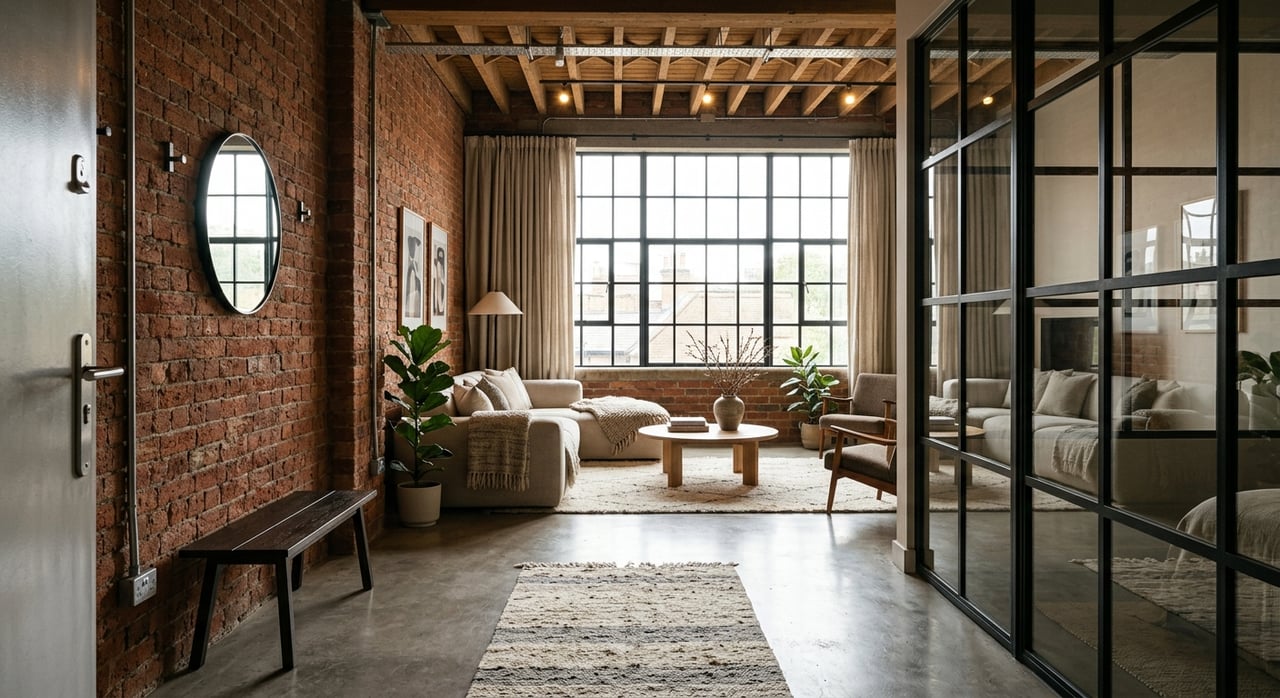
Wondering which West Town condo style actually fits the way you live? That is a common question here, because West Town is not a one-look, one-layout neighborhood. If you are comparing vintage walk-ups, industrial lofts, and newer boutique buildings, this guide will help you understand the real differences so you can narrow your search with more confidence. Let’s dive in.
Why West Town Offers So Much Variety
West Town stands out because its housing stock is layered rather than uniform. According to the Institute for Housing Studies, the area has a near-even split among condos, 2-to-4 unit buildings, and 5-plus-unit buildings, with single-family homes making up a much smaller share.
That mix helps explain why your options can feel so different from one block to the next. CMAP data also show a neighborhood with a substantial share of prewar housing, plus newer infill built in the last 15 years, so you will often see vintage character and contemporary construction side by side.
West Town is also a dense, urban community with 86,598 residents and 42,249 households. The average household size is 2.0, the median age is 33.0, and commuting patterns reflect a car-light lifestyle, with notable shares of residents using transit, walking or biking, or working from home.
For buyers, that means the home style matters as much as the neighborhood name. In West Town, the building type often shapes your floor plan, ceiling height, level of shared amenity, and day-to-day convenience more than the zip code alone.
The 3 Main West Town Condo Styles
A helpful way to frame West Town inventory is to think in three buckets:
- Vintage walk-up condos and flats for room-by-room layouts and classic Chicago character
- Converted industrial lofts for open volume, dramatic light, and architectural texture
- Newer boutique buildings for modern finishes, convenience, and more amenity support
Each option can work well. The right fit depends on how you want your home to feel and function.
Vintage Walk-Ups And Flats
What a vintage West Town condo looks like
When many buyers picture a classic West Town condo, they are thinking of a Chicago flat. The Chicago History Museum describes these as two-, three-, or four-story brick walk-ups, often with one apartment per floor, while the Illinois historic survey definition of a two-flat points to a two-story, flat-roof building with one apartment on each floor.
That building form still aligns with West Town’s current housing mix. CMAP reports that 32.0% of units are in 3- or 4-unit buildings and 11.6% are in 2-unit buildings, so smaller multifamily properties remain a major part of the area’s identity.
How these homes usually feel
In practical terms, a vintage walk-up often means stair access instead of an elevator, a smaller shared footprint, and a layout with more defined rooms than you would find in a loft. CMAP data support that expectation, with 45.7% of homes offering 2 bedrooms, 25.3% offering 3 bedrooms, and a median of 4.9 rooms per home.
Because much of West Town’s housing stock dates to before 1940, many of these condos carry a vintage feel even after updates. Finishes can vary widely, from lightly refreshed to fully renovated, so two units in similar buildings may present very differently.
Who tends to like this style
If you want character, intimacy, and a more residential street-level feel, this category often checks those boxes. Smaller buildings usually come with fewer shared spaces and a lower-scale living experience than a larger condo building.
The tradeoff is convenience. You may give up elevator access, larger amenity packages, or the extra openness that newer layouts often provide.
Converted Industrial Lofts
What makes a true loft feel different
Industrial lofts are another defining West Town style, especially in an area where CMAP classifies 6.5% of land use as industrial. Preservation Chicago notes that industrial buildings that convert well tend to offer wide open floor plans, expansive windows, tall ceilings, and fireproof construction.
Historic descriptions of Chicago loft buildings also point to heavy timber or steel framing, load-bearing masonry, and large window openings. In residential form, that usually translates into a home with obvious structure, flexible living space, and a strong sense of volume.
The features buyers often notice first
Loft buyers are often drawn to a short list of visual cues:
- Exposed brick
- Timber or steel columns
- Oversized warehouse-style windows
- High ceilings
- Fewer interior walls
- Large open living and dining areas
Not every loft conversion will include all of these features, but they are the traits most closely tied to the original industrial building form.
Why some buyers prefer loft living
If you want your home to feel airy, adaptable, and visually bold, a loft may be the best fit. Compared with a vintage walk-up, an industrial loft often feels more open and more flexible for entertaining, remote work, or a combined living and office setup.
The tradeoff is that a loft may feel less compartmentalized. If you strongly prefer clearly separated rooms, a more traditional condo layout may suit you better.
Newer Boutique Buildings
What newer construction brings to the table
West Town also includes smaller-scale and mid-rise new construction that offers a more contemporary take on condo living. Examples in the research include projects like Luxe on Chicago, a four-story building with 59 units and larger-than-average homes, and Inspire West Town, an eight-story mixed-use project with features like balconies, bright living spaces, and shared amenity areas.
These examples show the broader pattern in newer boutique buildings. The appeal is usually less about raw industrial character and more about convenience, cleaner finishes, and systems designed for modern daily life.
What you can typically expect
In newer West Town buildings, buyers often look for:
- Private outdoor space such as balconies or terraces
- More contemporary finishes
- Larger unit sizes in some projects
- Shared spaces that support work, entertaining, or pets
- A more polished, move-in-ready feel
These buildings can be a strong fit if you want lower-maintenance living without stepping into a large high-rise setting.
The common tradeoff
What you gain in convenience and newer systems, you may give up in original character. Even when newer buildings borrow industrial or neighborhood-inspired design cues, they usually feel different from a true loft conversion or a classic brick walk-up.
How To Compare West Town Condo Styles
If you are trying to narrow your search, start with the everyday tradeoffs that come with each building type. In West Town, buyers often compare stairs versus elevator access, character versus newer finishes, segmented rooms versus open layouts, and limited shared spaces versus broader amenity offerings.
Here is a simple side-by-side view:
| Style | Typical Feel | Common Strengths | Common Tradeoffs |
|---|---|---|---|
| Vintage walk-up condo | Classic, room-by-room, lower-scale | Character, smaller building feel, street-level residential setting | Stairs, fewer amenities, more varied updates |
| Industrial loft | Open, dramatic, flexible | High ceilings, large windows, architectural texture | Less separation between spaces |
| Newer boutique building | Clean, polished, modern | Contemporary finishes, convenience, shared amenities, outdoor space in some buildings | Less original character |
This framework is especially useful in West Town because the neighborhood is not defined by one dominant housing type. The style of building you choose will often shape your experience more than the broader neighborhood label.
A Smart Way To Tour West Town Homes
When you tour condos and lofts in West Town, it helps to focus on function, not just finishes. A beautiful kitchen matters, but so do ceiling height, storage, natural light, stair access, and how the layout supports your routine.
As you compare homes, consider questions like these:
- Do you want distinct rooms or an open plan?
- Are you comfortable with walk-up access?
- How important is private outdoor space?
- Do you prefer original character or a newer, more polished finish package?
- Would shared amenities improve your day-to-day life?
- Do you need flexible space for working from home?
Those questions can quickly clarify which category deserves most of your attention. They also help you avoid comparing homes that look similar online but live very differently in person.
Why West Town Appeals To Condo Buyers
The housing mix is only part of the story. West Town’s broader appeal comes from its layered urban character, which Choose Chicago describes through vintage shops, museums, craft breweries, public art, live music, and an eclectic, arts-oriented feel.
That setting works well for buyers who want a neighborhood with energy and variety. It also pairs naturally with the area’s housing stock, where older flats, industrial buildings, and newer infill create a broad menu of condo and loft options.
For many buyers, that is the draw. You are not choosing from one formula here. You are choosing from several distinct ways to live in the same community area.
If you want help sorting through West Town condo styles, building tradeoffs, and the homes that best fit your priorities, schedule your concierge consultation with Colby Price.
FAQs
What condo styles are most common in West Town, Chicago?
- West Town is best understood through three main categories: vintage walk-up condos and flats, converted industrial lofts, and newer boutique buildings.
What is a vintage walk-up condo in West Town?
- A vintage walk-up condo in West Town is usually located in a smaller brick multifamily building, often with stair access, more defined rooms, and a classic Chicago flat layout.
What features define an industrial loft in West Town?
- West Town industrial lofts often feature open floor plans, high ceilings, large windows, exposed brick, and visible timber or steel structure.
Are there newer condo buildings in West Town?
- Yes. West Town includes newer boutique and mid-rise buildings that often offer contemporary finishes, balconies or terraces in some projects, and shared amenities geared to modern living.
How do I choose between a loft and a vintage condo in West Town?
- A loft may fit better if you want openness, volume, and flexible space, while a vintage condo may fit better if you prefer defined rooms, classic character, and a smaller-building feel.
Why does West Town have such a wide range of condo options?
- West Town has a mixed housing stock that includes a near-even share of condos, 2-to-4 unit buildings, and 5-plus-unit buildings, along with a combination of prewar housing and newer infill development.