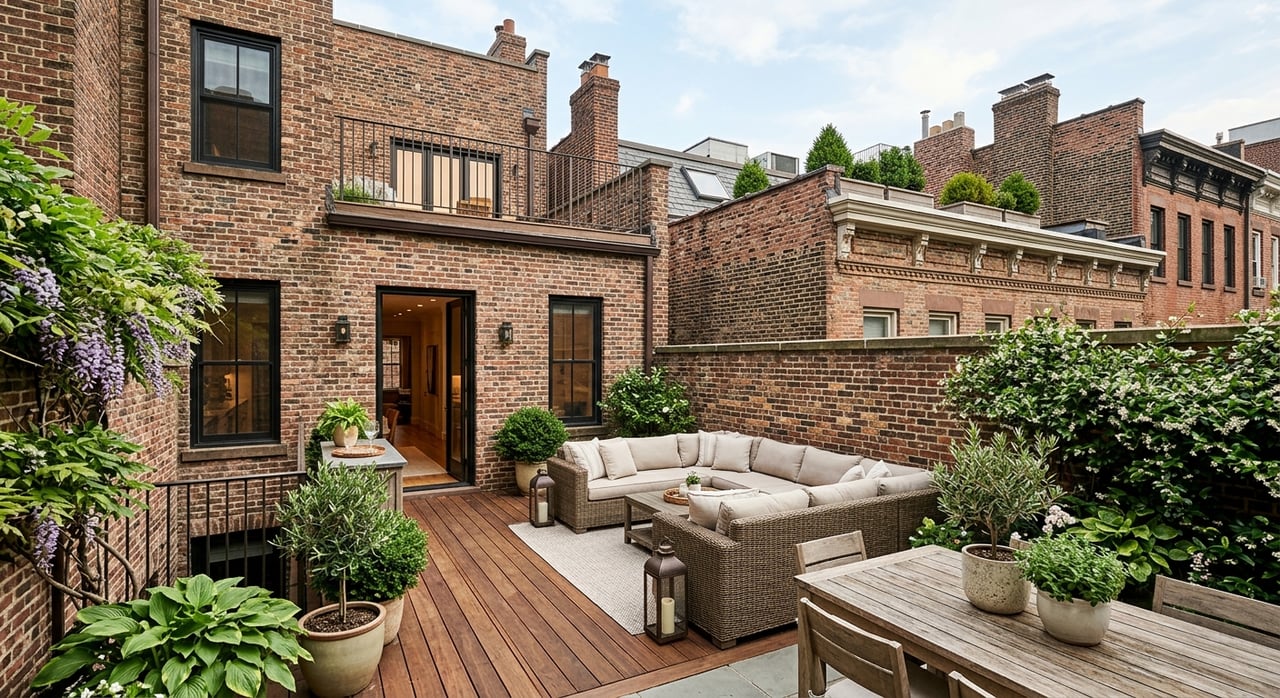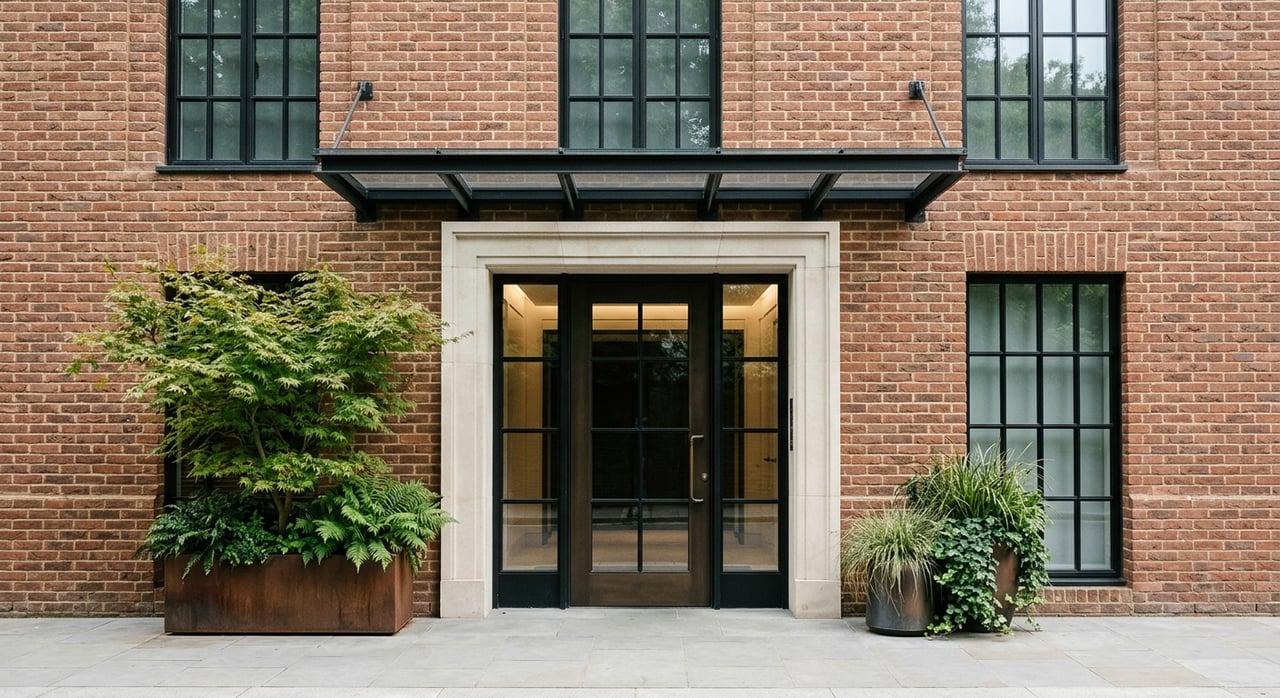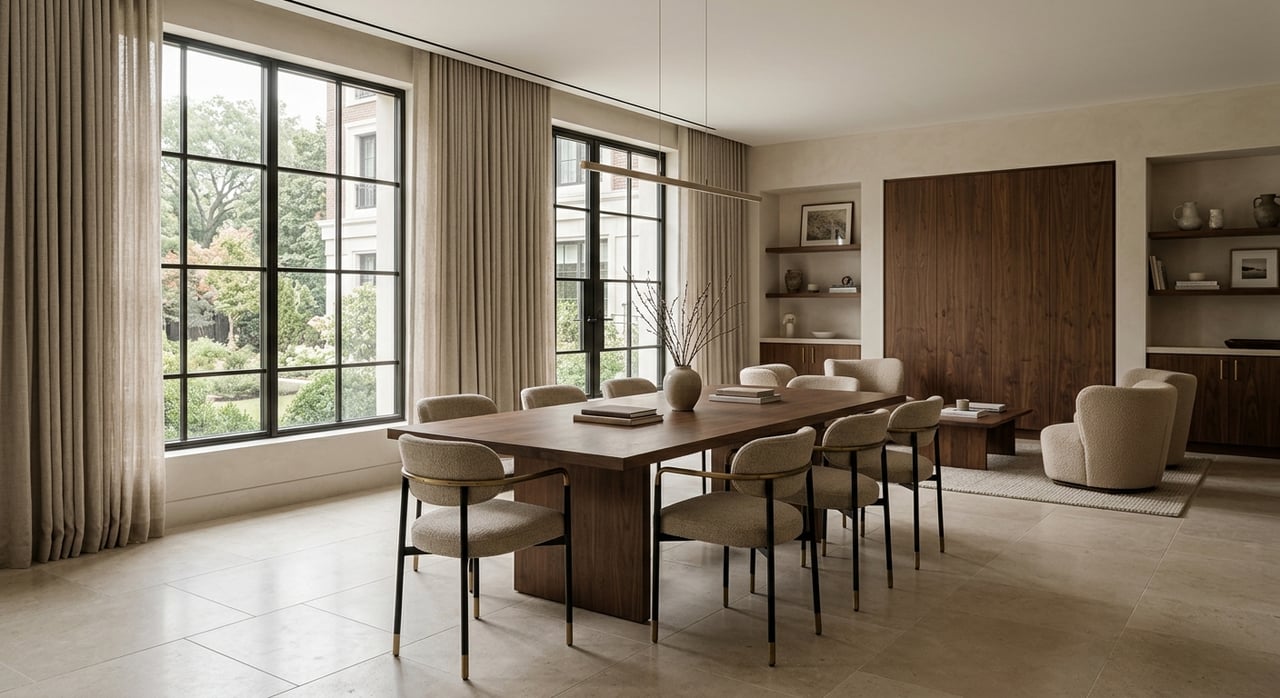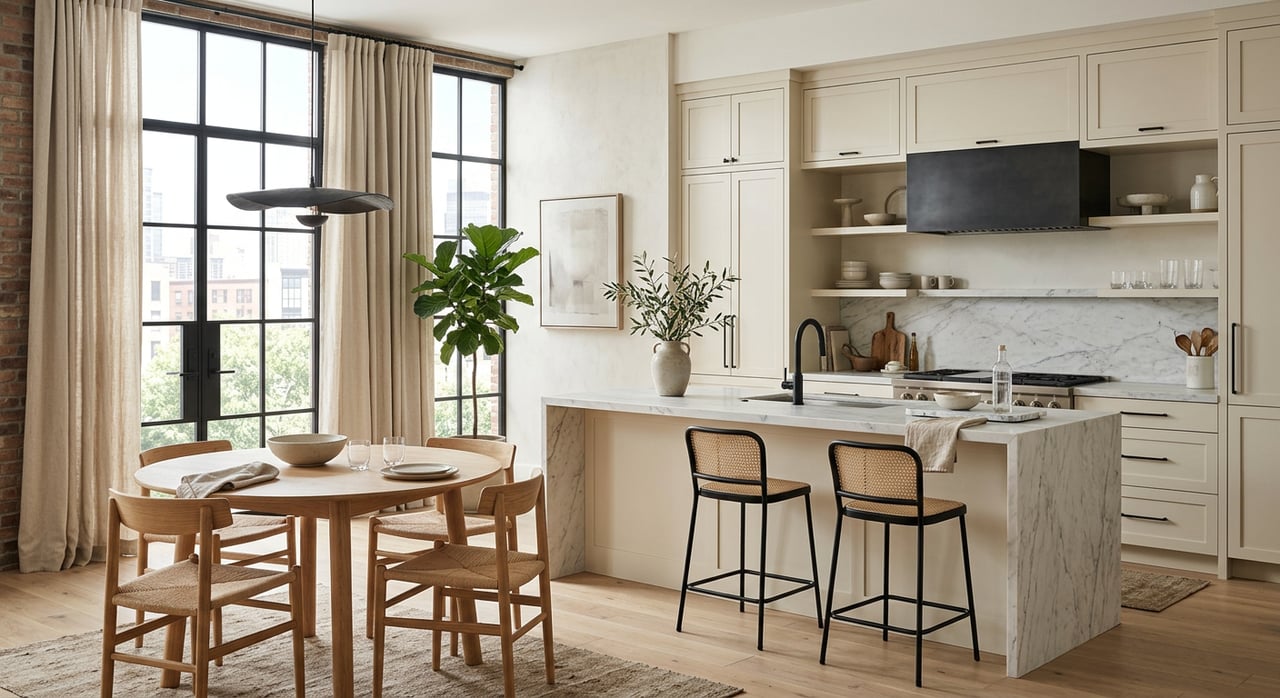
Why do two similar West Loop condos sell for very different prices? Often, the gap comes down to design, finishes, and how well the home is presented to buyers. If you are planning a sale, you want a price that reflects your home’s true potential without leaving money on the table. This guide gives you a simple, data-backed plan to connect presentation to pricing and move from priced to sell to priced to win. Let’s dive in.
West Loop market snapshot
Public neighborhood trackers show West Loop condos trading in a mid to high price band, with recent medians around the mid-$400s to low-$500s and price per square foot often in the high $300s to low $400s. Typical days on market have hovered near 70 to 90 days, with well-positioned listings selling faster and sometimes above asking.
New luxury product in West Loop and nearby Fulton Market has raised buyer expectations for finishes and amenities, especially at the upper tiers. Coverage of projects like Embry highlights how designer features shape what buyers expect to see in premium units. You are competing not just with resales in your building, but also with the aesthetic standard set by new construction and top-tier renovations. Local coverage of luxury West Loop projects underscores this shift.
Design-led pricing: why it works
Thoughtful design and staging can shift a condo from “nice” to “must have,” which improves your pricing power.
- Staging helps buyers visualize. In the National Association of REALTORS 2025 Profile of Home Staging, 83% of buyer agents said staging made it easier for buyers to picture a property as their future home. That clarity often supports stronger offers when condition and presentation align with expectations. See NAR’s staging findings.
- Staged listings can perform faster and stronger. The Real Estate Staging Association’s 2025 snapshots reported staged listings selling in materially fewer days and, in some samples, above list price. Results vary by market and sample, but the benchmarks show why presentation matters. Review RESA’s industry insights.
- Certain finishes associate with premiums. Zillow’s analysis of millions of listings found features like white oak floors, soapstone counters, and “remodeled” mentions were linked with sale price lifts of roughly 2 to 3.5% compared with similar homes. These are directional signals, not guarantees, but they show buyers pay attention to design. Explore the highlights of this finish research.
Your three-step pricing framework
Step 1: Categorize your home
Place your condo or townhome into one of four condition tiers. Be honest. Accurate placement guides a smarter price.
- Tier A — Design‑Led Premium: Turnkey, high-end finishes, designer staging, strong light, plus-value features like a great view, large balcony, deeded parking, and organized storage.
- Tier B — Move‑in Ready / Neutral: Updated kitchen and baths, neutral paint, solid flooring, in-unit laundry, clean lines. Not designer-lux, but crisp and consistent.
- Tier C — Cosmetic Work Needed: Dated finishes or visible wear, but no known structural or system issues. Good candidate for targeted refresh.
- Tier D — Major Rehab / Deferred Maintenance: Mechanical, water, or structural concerns, or HOA assessment challenges. Requires a deeper pricing discount and clear disclosure.
Why this matters: New luxury in West Loop sets a higher bar for Tier A. If you play in that bracket, you can justify a premium when your design and staging meet the moment. Local project coverage shows how buyer expectations are rising.
Step 2: Choose your market posture
Use these suggested adjustment ranges as a starting point, then refine with same-building comps.
- Tier A (Design‑Led): Consider +3% to +8% vs. top recent comps when your finishes and staging materially differentiate the unit. Premiums are supported by finish-preference data and buyer behavior in competitive launches.
- Tier B (Move‑in Ready): Price at or within ±1% to 3% of strong comps. Staging and pro photos aim to secure asking without a discount.
- Tier C (Cosmetic): Price about 3% to 8% under updated comps to reflect buyer upgrade budgets. Lean on photo-driven marketing to highlight potential.
- Tier D (Major Rehab): Larger discount to reflect risk. Use clear disclosures and, when possible, written estimates so buyers can underwrite the scope.
A quick dollar example using a $500,000 comp baseline:
- A 3% premium is $15,000. A 6% premium is $30,000. An 8% premium is $40,000.
- A 5% discount is $25,000. An 8% discount is $40,000.
These ranges align with evidence that certain finishes can command low single-digit premiums and that strong presentation can compress days on market. NAR’s staging report and RESA’s benchmarks help frame expectations.
Step 3: Build the execution plan
Support your price with the right prep, staging, and launch.
- Staging strategy: Choose between an occupied consultation, partial physical staging for key rooms, or high-quality virtual staging. RESA snapshots show average staging investments in the low thousands and strong reported ROI in many samples. See RESA’s industry snapshots.
- Professional visuals: Book pro photography and a floor plan. Strong images and a clear layout attract more showings and support top-tier pricing.
- Targeted fixes: Fresh paint, lighting upgrades, new hardware, and flooring refreshes offer high impact at reasonable costs in our region. Review East North Central Cost vs. Value benchmarks.
- HOA and disclosures: Pull recent minutes, reserve study data, assessment history, and fee inclusions. Transparency helps buyers price risk fairly and reduces renegotiations.
What to upgrade before you list
In the Chicago region, targeted, midrange projects tend to recoup best. A minor kitchen remodel often recoups near or even above cost in recent East North Central data. Focus on the highest-return cosmetic work that aligns with condo rules and timing. See regional Cost vs. Value trends.
High-impact, seller-friendly updates:
- Neutral interior paint throughout if worn, plus patching and caulk.
- Lighting replacement in common areas and bedrooms for a modern, cohesive look.
- Hardware and plumbing fixture swaps to black or soft brass for a quiet-lux feel.
- Flooring refresh, including refinishing or new wide-plank LVP where appropriate.
- Minor kitchen refresh: counters, cabinet painting or refacing, modern pulls, newer appliances.
Remember the rooms that matter most for staging and buyer decisions: living room, kitchen, and primary bedroom. Functional checkboxes also carry weight in West Loop condos, including in-unit laundry, usable balconies, parking, and storage. NAR’s staging research highlights these priorities.
Staging, photos, and timing
Putting presentation first can shorten your days on market, which helps you avoid price reductions and carrying costs. Industry reports show professionally staged homes often sell faster in like-for-like samples. RESA’s data sets helpful benchmarks.
Typical budget ranges to plan for in central Chicago:
- Photography and floor plan: $300 to $900.
- Staging: $500 for a consult to $1,500–$4,000 for multi-room vendor-managed installs. RESA benchmarks indicate low-thousands averages.
- Paint, patch, and minor repairs: $1,000 to $4,000. Regional Cost vs. Value supports prioritizing small, high-impact work.
- Flooring refresh: $4,000 to $20,000 depending on scope and materials. See regional benchmarks.
- Minor kitchen refresh: typically $20,000 to $40,000 for midrange scopes in our region. Cost vs. Value regional data can guide scope.
Virtual staging can be a smart add when physical staging is not practical. Pair it with real, modest styling in-person so showings match the photos.
A quick West Loop pricing scenario
Let’s say comps in your building point to a $500,000 anchor for similar two-bed layouts.
- If your unit is Tier B (Move‑in Ready), you might list around $495,000 to $515,000 depending on view, balcony, parking, and how polished your staging and photography are. The goal is to hold asking with clean presentation.
- If your unit is Tier A (Design‑Led Premium), and your finishes and staging truly stand out, you might test the high side, for example $515,000 to $540,000, aligning with a +3% to +8% posture if recent comps support it.
- If your unit is Tier C (Cosmetic), you might position $460,000 to $485,000, acknowledging the buyer’s upgrade budget and creating urgency.
Pick a launch price that allows room for one normal round of negotiation without needing a quick reduction. Strong exposure in the first 14 days is the aim.
Work with a trusted, design-minded advisor
Ask your agent for a concise pre-list plan that includes:
- A price range based on 3 to 5 same-building or same-block comps.
- A recommended staging scope and cost estimate, plus pro photo plan and timing.
- Expected days on market under conservative and aggressive pricing.
- A short list of high-impact updates with line-item quotes to compare against the premium you expect to earn.
If you want a calm, concierge path from prep to sold, I coordinate staging, design-forward marketing, and data-informed pricing tailored to West Loop buyers. Schedule your concierge consultation with Colby Price.
FAQs
How does staging affect West Loop condo pricing?
- NAR reports 83% of buyer agents say staging helps buyers visualize the home, and RESA benchmarks show faster sales and stronger outcomes in many staged samples, which supports firmer pricing.
Which finishes tend to command premiums in resale?
- Analysis of millions of listings linked features like white oak floors, soapstone counters, and “remodeled” mentions with roughly 2% to 3.5% higher sale prices compared with similar homes.
What upgrades often recoup best in Chicago’s region?
- East North Central Cost vs. Value data shows minor kitchen refreshes, paint, lighting, hardware, and flooring updates tend to recoup the highest percentages versus major structural changes.
Is virtual staging enough for a West Loop listing?
- Virtual staging can create compelling photos at a lower cost, but pair it with light real-world styling so the in-person experience aligns with images and supports your asking price.
How should I decide between a premium price and a faster sale?
- Ask your agent for conservative and aggressive scenarios with expected days on market; then weigh the projected premium against carrying costs and the risk of price reductions if activity lags.