Looking for a neighborhood where bright studio light, great coffee, and a quick Blue Line ride share the same block? If you love creative energy but still want an easy downtown commute, West Town might be your fit. In this guide, you’ll get a clear feel for day-to-day life, the parks and galleries locals love, and the types of homes and price points you can expect. Let’s dive in.
Where West Town sits
West Town is one of Chicago’s 77 official community areas located northwest of the Loop. It includes well-known pockets like Wicker Park, Ukrainian Village, Noble Square, River West, and Pulaski Park. You are roughly 2 to 4 miles from downtown depending on the exact block, which keeps daily travel flexible. For a deeper overview of boundaries and sub-neighborhoods, review the community’s profile on Wikipedia.
Getting around is straightforward. The CTA Blue Line serves the area at Damen, Division, Chicago, and Grand stations, so you can ride directly to the Loop or O’Hare. Trains run frequently, and typical trips to downtown from these stations are often under 20 minutes depending on time of day. You can scan the full route on the CTA Blue Line map.
Street energy and daytime rhythm
If you walk Milwaukee, Division, or Chicago avenues on a weekday morning, you will see the creative heartbeat right away. Independent cafés and all-day spots act like shared living rooms for freelancers, designers, and small teams. City roundups regularly highlight local cafés as neighborhood touchstones that set the tone on these blocks. For ideas, browse this curated list of top cafés in Chicago and then explore what you find on the ground.
West Town also incubates neighborhood restaurants that punch above their size. A standout example is Kasama in East Ukrainian Village, which draws attention for its daytime bakery-and-café service and an acclaimed evening tasting menu. It is a strong case study in how a local, independent concept can earn citywide and national buzz. You can see why it makes so many best-of lists in Chicago Magazine’s coverage of Kasama.
Galleries, studios, and open doors
Visual arts have long shaped West Town’s identity, and you can still feel it today. The Flatiron Arts Building at 1579 N Milwaukee Avenue is a living hub of working studios and gallery spaces. Monthly open-studio events give you an easy, no-pressure way to see art in progress and meet artists in person. If you are planning an evening of gallery-hopping, start with the Flatiron Arts Building and build around it.
Design, makers, and River West
Head east toward River West and you will notice a subtle shift. Streets hold more converted warehouses, light industrial-to-residential buildings, and small design studios or showrooms. This area attracts furniture makers, design practices, and creative firms that like larger floor plates and a studio feel. For a helpful neighborhood primer on that pocket, review this River West guide.
Parks, The 606, and weekend space
The 606 and Bloomingdale Trail
The Bloomingdale Trail, known as The 606, is an elevated rail corridor turned linear park and public art trail. It opened in 2016 and changed how neighbors move east to west by foot or bike. It is great for a late afternoon run, weekend ride, or a simple walk with coffee. Housing researchers have also documented that access to The 606 has been associated with higher demand and price pressure in nearby areas. You can explore that dynamic through the Housing Studies Institute’s trail research.
Local parks and cultural corridors
You will find green relief all around the edges of West Town. Humboldt Park to the northwest is a large city park with a strong civic presence, while Pulaski Park is a smaller anchor with a historic fieldhouse. Along Division Street, Paseo Boricua stands out as a Puerto Rican cultural corridor with a distinct street identity. To get oriented to these public spaces in the broader area, start with the West Town overview.
Community parks and playfields
Smaller parks and fieldhouses, including spots like Eckhart Park and others in Noble Square and West Town pockets, offer playgrounds, community sports, and summer programming. They serve as convenient, kid-friendly amenities that many buyers ask about when comparing neighborhoods. If you are mapping a weekend routine, layer these into your home search along with transit access and daily shopping routes. You can cross-reference park mentions when browsing the River West neighborhood guide.
What home types you will find
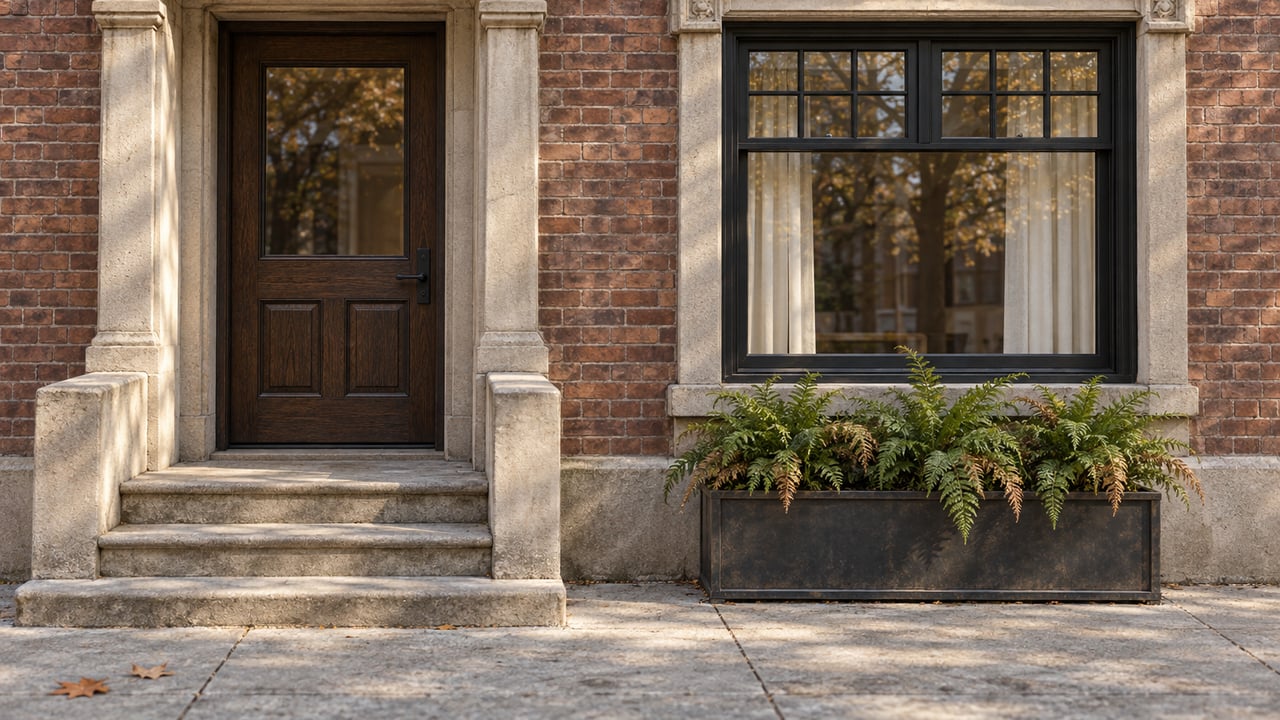
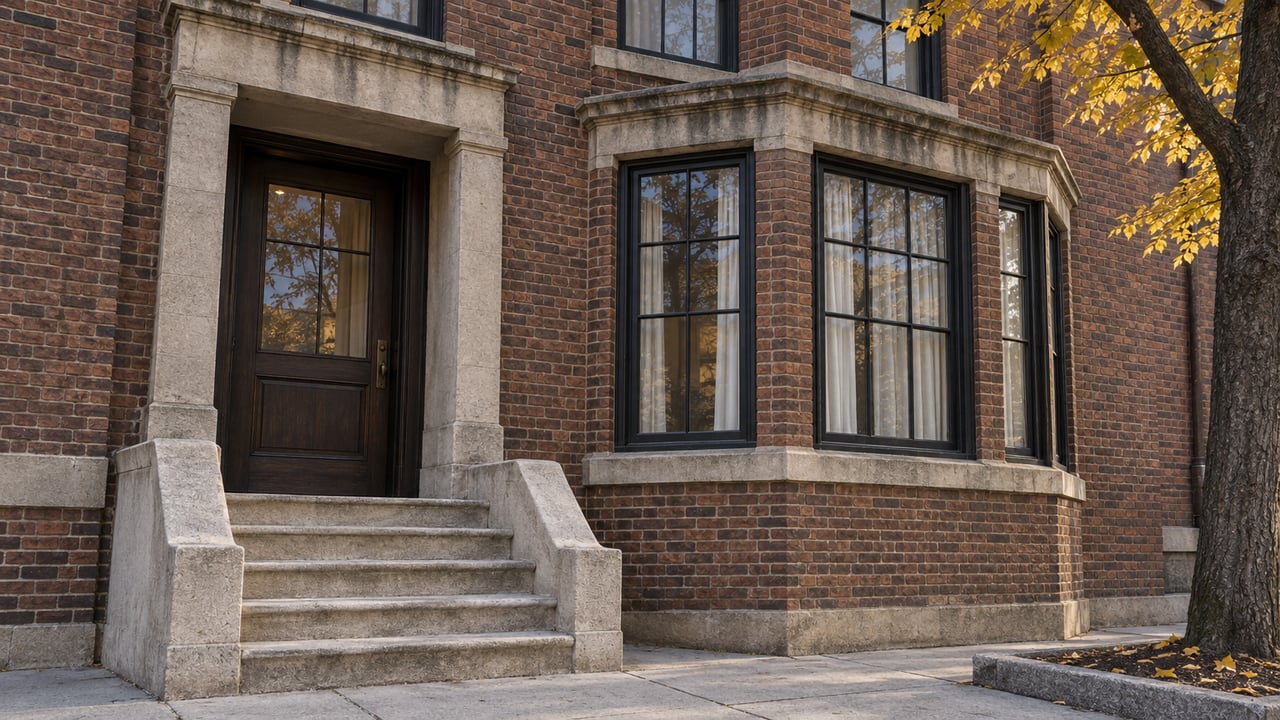
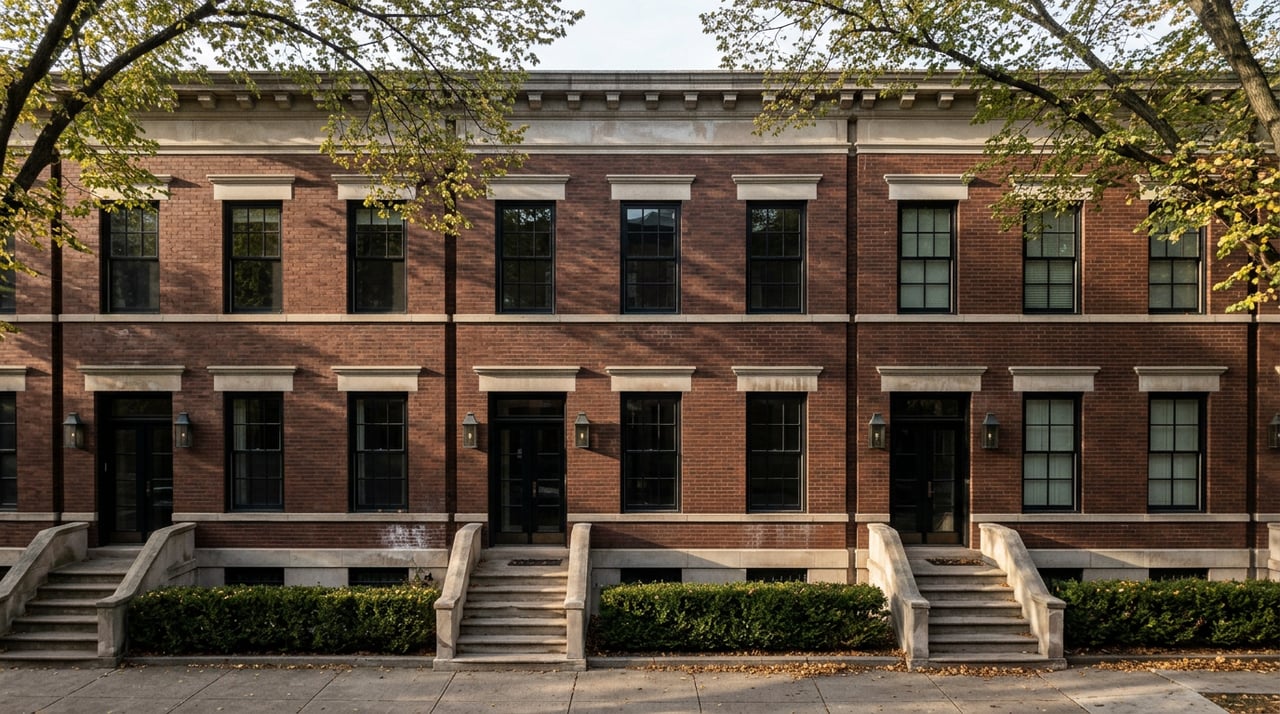
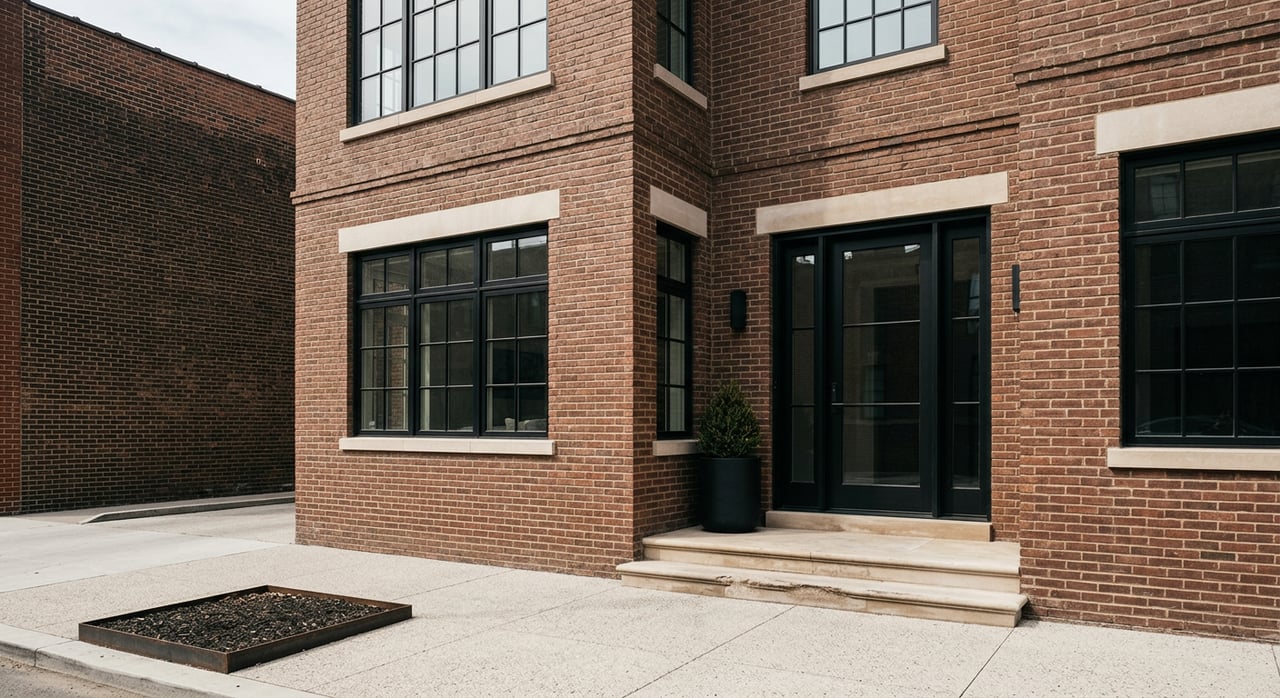
West Town’s housing stock is varied, which is part of its appeal. You will see classic Chicago greystones, two-flats, and vintage walk-ups on quieter streets, often near parks or tree-lined blocks. Near major corridors and in River West, you will also find converted lofts and warehouse condos with exposed brick, tall ceilings, and flexible work-from-home potential. Newer infill townhouses and mid-rise condo buildings round out the options.
If you are starting to match lifestyle to product type, this simple framework can help:
- Lofts and condos: Ideal if you value generous light, open plans, and proximity to cafés and design studios.
- Two-flats and larger flats: Good for buyers who want 2 to 3 bedrooms in a classic building with neighborhood character.
- Townhouses and single-family homes: Fit for more space, private entries, and a homey feel still close to transit.
For a neighborhood-level snapshot of housing types, consult Neighborhoods.com’s West Town overview.
Prices and market signals
You should expect healthy demand in West Town, with some pockets trading quickly. To give you a ballpark: Redfin reported a neighborhood median sale price of about 699,000 dollars in January 2026, with recent year-over-year increases noted. Realtor.com’s neighborhood summary through December 2025 showed a median home price in the mid-600,000s and a median rent around 2,685 dollars per month for the same period. Different platforms use different methodologies, and Zillow’s home value index often differs from recent transaction medians. When we work together, we will pull fresh, same-week data and label the date for clarity.
A few takeaways from recent reporting:
- The 606, improved walkability, and transit access have been linked to higher demand and price pressure in nearby blocks. See the Housing Studies Institute’s analysis for the broader pattern.
- Some homes receive multiple offers and days on market can tighten, depending on seasonality and product type. Having lending prepped and timing aligned can help you act with confidence.
Buyer takeaways you can use now
Commute expectations
If you live within a short walk of Damen, Division, Chicago, or Grand stations, you can often be downtown in under 20 minutes on the Blue Line. That speed is a key part of West Town’s appeal to busy professionals. You can confirm stop locations on the CTA Blue Line map.
What 600,000 to 800,000 can buy
In many cases, that range can access a well-finished condo or loft, a newer townhouse, or a 2 to 3 bedroom flat on sought-after blocks. Larger greystones and single-family homes tend to move above this window, especially near the most active corridors. Exact options change month to month, so we will refine this with current listings and off-market insights.
Pace of the market
Expect a somewhat competitive landscape for well-located, well-presented homes. The best strategy is to align financing, tour quickly, and understand value at the micro-neighborhood level. We will calibrate your search by block, building style, and specific must-haves so you move decisively without overreaching.
Is West Town a fit for you
You will likely enjoy West Town if you want independent cafés, galleries, and design studios within your daily orbit. The 606 and nearby parks add easy green space to a walkable routine, while the Blue Line keeps your commute efficient. The trade-off is price: neighborhoods near high-demand amenities tend to carry a premium, a pattern that research around the trail has connected to rising values. If the creative energy and connectivity match your lifestyle, the value can be worth it.
How we help you buy in West Town
A successful West Town purchase starts with clarity. We will map your day-to-day life, identify which pockets fit best, and create a tailored tour that compares blocks, building types, and transit access. You will see not just listings but also how each home supports your routine from morning coffee to evening runs on The 606.
When you find the right home, we bring a hospitality-calibrated process to every step. Expect anticipatory updates, design-aware opinions on layout and finishes, and smart negotiation supported by current neighborhood data. If you are selling, we coordinate staging, photography, and presentation so your home reads clearly online and in person, amplified by the Jameson Sotheby’s platform.
Ready to explore West Town with a calm, boutique approach that respects your time and goals? Connect with Colby Price to schedule your concierge consultation.
FAQs
What is West Town in Chicago, and where is it
- West Town is an official Chicago community area northwest of the Loop that includes Wicker Park, Ukrainian Village, Noble Square, River West, and more, roughly 2 to 4 miles from downtown; see the Wikipedia overview for context.
How long is the Blue Line commute from West Town to downtown
- Rides from Damen, Division, Chicago, or Grand stations are typically under 20 minutes to the Loop depending on time of day; view the CTA Blue Line map for stations.
What is The 606 and why does it matter to buyers
- The 606 is an elevated linear park and trail that improves east-west connectivity for walking and biking and has been associated with increased nearby demand and price pressure; see the Housing Studies Institute’s research.
What types of homes are common in West Town
- You will find converted lofts and warehouse condos, classic greystones and two-flats, vintage walk-ups, and newer infill townhouses and mid-rise condos; see Neighborhoods.com’s snapshot.
What are current home prices and rents in West Town
- Recent reporting showed a median sale price near 699,000 dollars as of January 2026 and a median rent around 2,685 dollars per month as of December 2025, with methodologies varying by platform; we will refresh figures before you tour.
How does River West differ from Wicker Park within West Town
- River West reads more industrial and studio-oriented with loft conversions and design showrooms, while Wicker Park’s main corridors lean retail, cafés, and gallery energy; both offer strong Blue Line access.