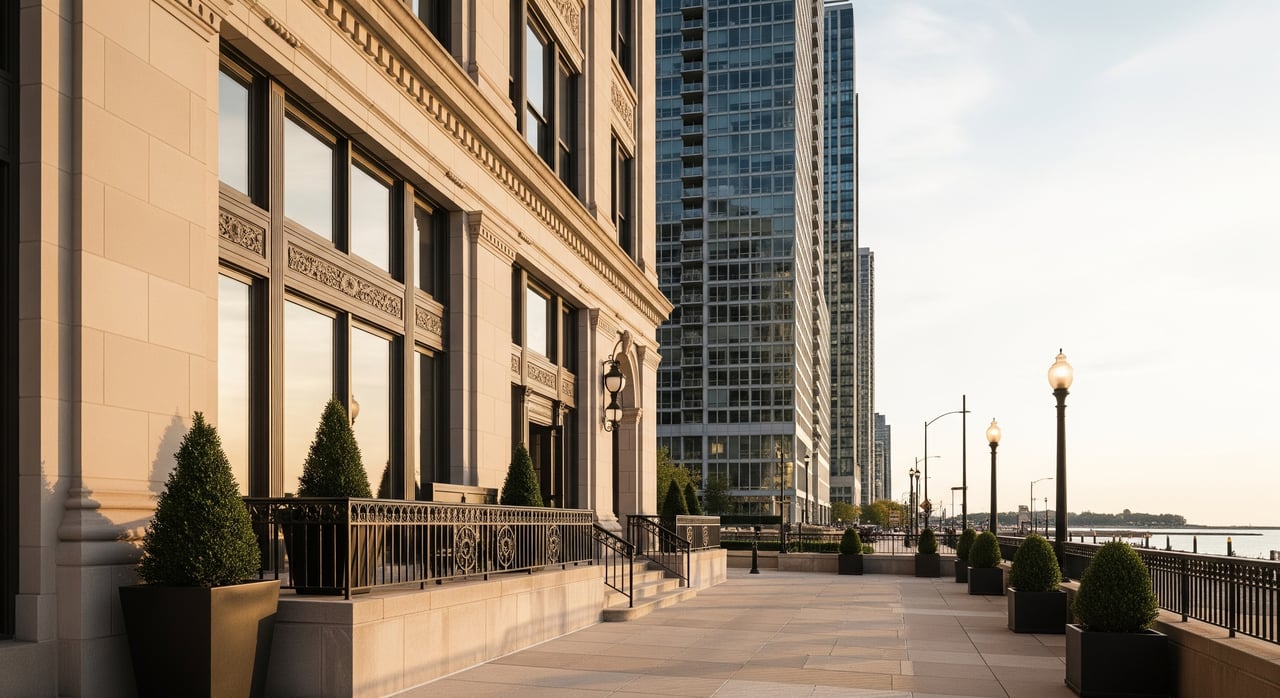
Torn between a full-amenity tower and a quieter boutique building in Streeterville? You are not alone. With so many options clustered near the lake and the Magnificent Mile, it can be hard to know what fits your lifestyle and budget best. In this guide, you will learn how the two building types compare on amenities, monthly costs, risk profile, and resale, plus a clear checklist you can use before you write an offer. Let’s dive in.
Streeterville at a glance
Streeterville sits on Chicago’s Near North Side, bordered by the Chicago River and Lake Michigan, with quick access to Michigan Avenue, Northwestern Memorial Hospital, and major employment centers. The neighborhood is highly walkable and draws people who want an active downtown lifestyle near the water. You will find a mix of glassy high-rise towers, mid-rise luxury buildings, historic conversions, and a handful of co-ops.
Because the area includes everything from 1970s concrete towers to newer glass buildings and boutique conversions, each property can feel very different. Your choice comes down to the tradeoff between service-rich convenience and quieter, design-forward living with fewer shared amenities.
What high-rise living feels like
Full-amenity high-rises often deliver a hotel-like experience. Common features include a 24/7 doorman or concierge, on-site management, fitness centers, pools, lounges, guest suites, business centers, and secured package rooms. Many also offer valet or assigned garage parking and controlled-access elevators.
Daily life in these buildings is convenient and social. Packages are handled, maintenance is on call, and there are more chances to bump into neighbors or attend building events. The flip side is more foot traffic, busier common areas, and potential noise around amenity floors and elevators.
High-rises tend to fit if you travel often, want on-site staff, or plan to entertain larger groups in shared spaces. They can also be attractive if you expect to rent out your unit later and want broader market appeal.
What boutique and mid-rise living feels like
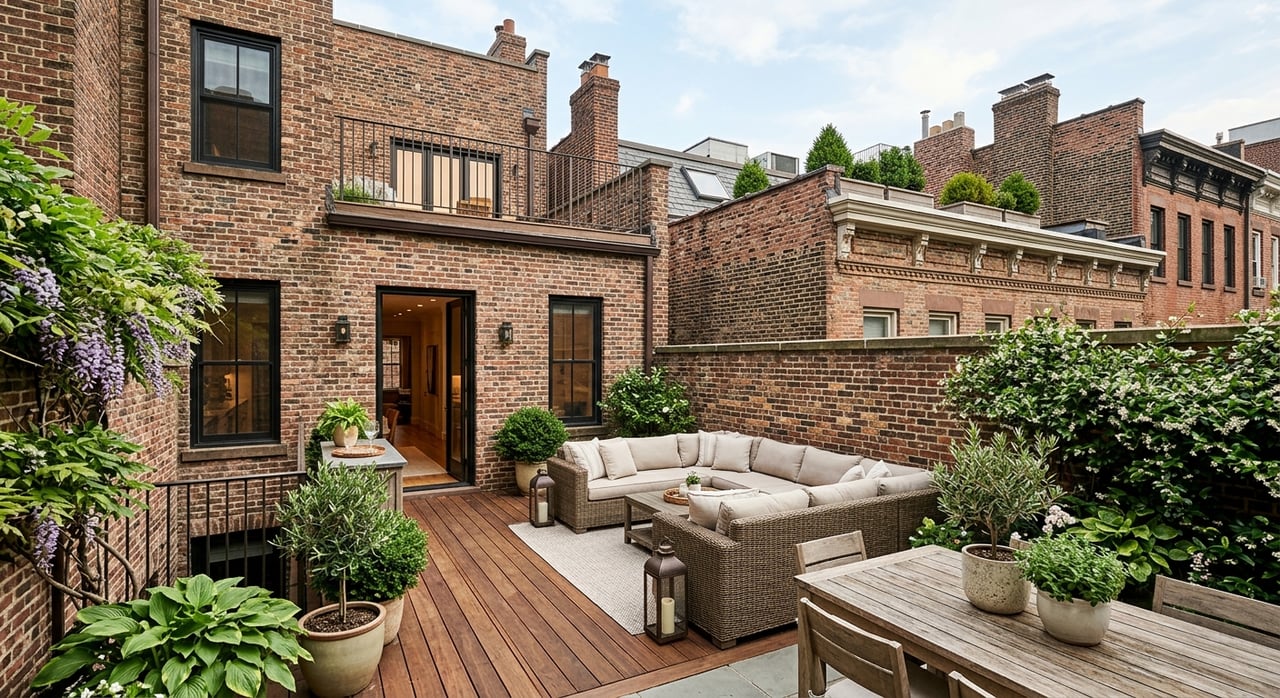
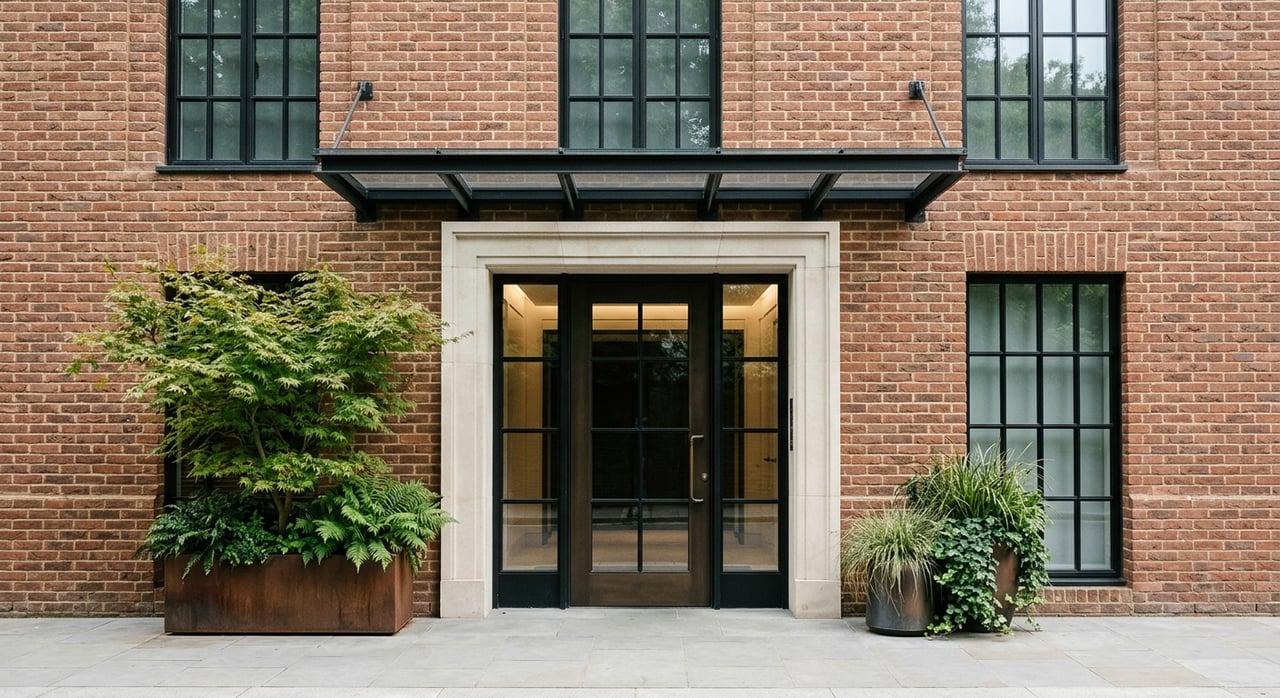
Boutique and mid-rise buildings typically offer secure entry, a roof deck or small gym, and fewer staffed services. Many emphasize distinctive layouts and design details inside units instead of large shared amenities.
Life in a boutique building is often quieter and more private. You may know your neighbors and have more direct input with the board or management on building choices. Response for maintenance can be handled through a smaller management team or the board, which means you might coordinate contractors more directly.
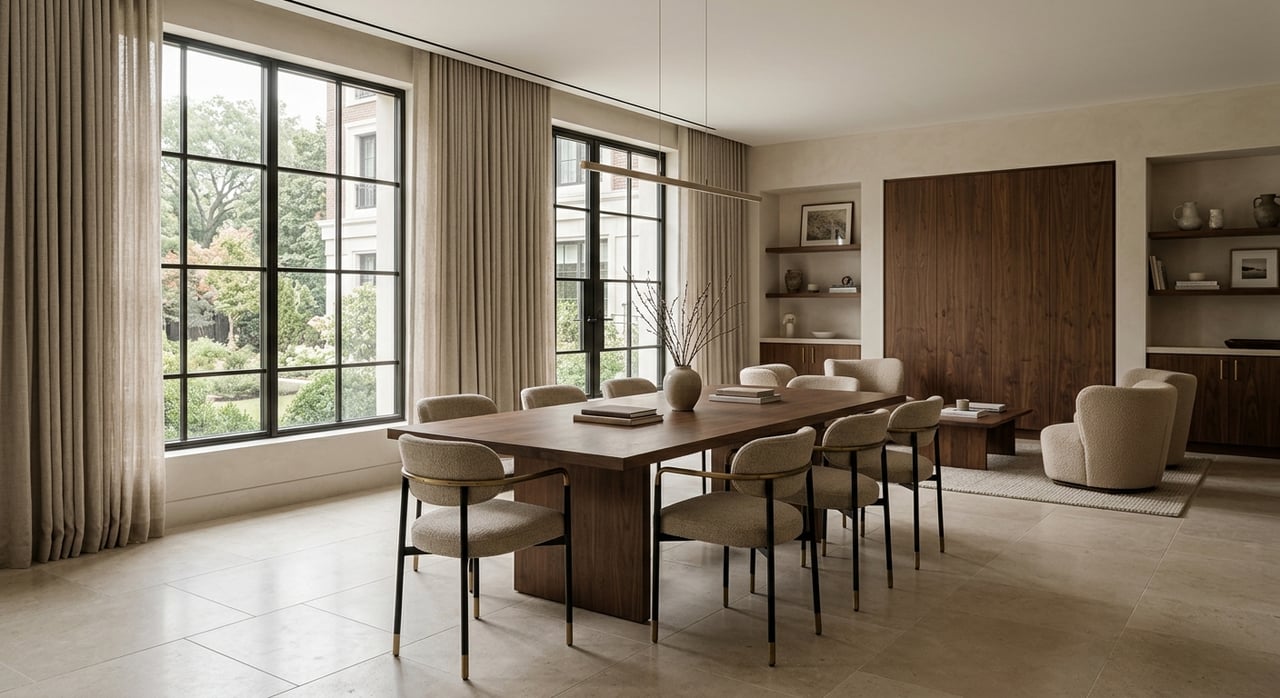
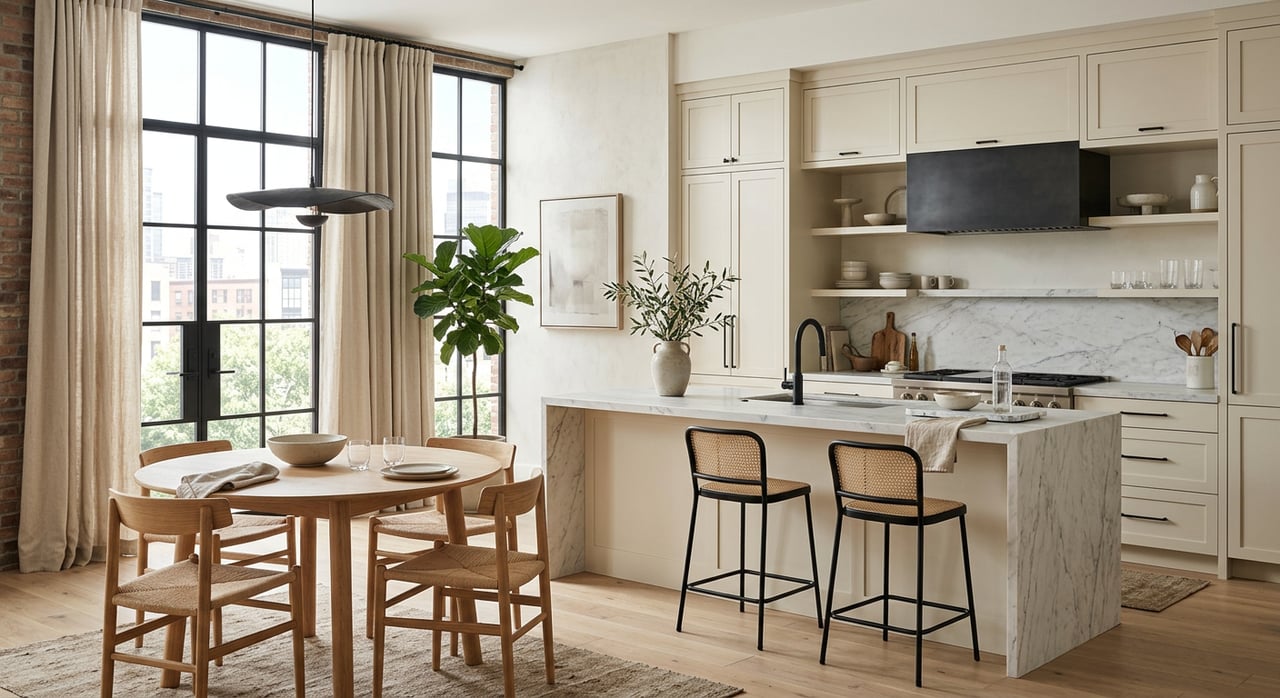
If you value lower monthly fees, a more residential feel, and design-forward interiors, a boutique or mid-rise can be a great fit. These buildings often appeal to owner-occupiers who want control and calm over constant activity.
Monthly costs: what to expect
Your monthly housing cost includes your mortgage, association dues, property taxes, homeowner’s insurance, utilities, parking, and any special assessments. In Cook County, property taxes are a recurring part of your budget, and your lender may escrow them.
- High-rises usually have higher association dues. Fees often support staffing, large amenities, elevator systems, higher insurance, and robust reserves. Some utilities may be included, and some buildings bundle internet or cable.
- Boutique buildings typically have lower monthly dues. You will likely pay more utilities directly, and staffing is limited or unstaffed, which helps keep fees down.
- Parking can be a separate monthly cost in both building types. Availability, assignment, and price vary by building.
Reserves and special assessments
Reserve strength is one of the most important indicators of future financial stability. Larger towers often maintain formal reserve studies and planned replacement schedules, but big-ticket items like elevators, pools, boilers, and façade projects are costly. Smaller associations might have fewer large systems, but reserves can be thin and projects can hit owners more directly if underfunded.
Best practice: request the reserve study, 3 to 5 years of budgets, and recent board minutes to see what is planned. Look for clarity on upcoming roof work, mechanical upgrades, or elevator modernization.
Local regulations that affect costs
In Chicago, the Façade Inspection and Safety Program requires routine exterior inspections for taller buildings. If issues are found, remediation can be significant, which is more likely in high-rises with complex façades. The Illinois Condominium Property Act sets association rules and owner rights for condos, and co-ops follow a different framework. Lenders also review association financial health and rental caps, which can affect loan approvals.
Maintenance, management, and risk profile
How a building is managed shapes your day-to-day experience and your risk of surprise costs.
- High-rises are often run by professional management with on-site staff and 24/7 maintenance coverage. Response can be quick for emergencies, and vendor relationships are established. Owner influence can feel diluted since there are more layers.
- Boutique buildings may be self-managed or use a smaller firm. You will likely have more voice in decisions and faster approvals for small issues. Emergency coverage can be slower and vendor availability tighter.
Capital projects to watch
- High-rises: façade repairs, elevator modernizations, pool and HVAC replacements, and garage waterproofing are common big projects. Even with planning, these can drive assessments if reserves are short.
- Boutique buildings: roof, masonry, plumbing stacks, and older system replacements can be concentrated costs. In heritage or converted buildings, original systems may need near-term upgrades.
Insurance and the building envelope
Association insurance covers common elements, while your HO6 policy covers your interior and liability. Review the master policy type to see what finishes you are responsible for. Streeterville’s lake exposure means wind, freeze-thaw cycles, and deicing chemicals can stress façades and windows over time, especially on taller buildings.
Red flags that signal caution
- Repeated short-term special assessments in recent years
- Missing or outdated reserve studies, or reserves that are minimal
- High delinquency rates in assessments
- Pending litigation against the association
- Sudden rule changes affecting rentals without clear process
- Inadequate insurance coverage or very high deductibles
Decision guide: which is right for you?
Use these prompts to match building type with your priorities:
- Choose a high-rise if you want 24/7 staff, robust amenities, and concierge-level convenience. If you travel often, entertain at scale, or plan to rent later, the broader appeal can help.
- Choose a boutique or mid-rise if you want a quieter environment, design-forward interiors, lower monthly dues, and more direct influence on building decisions.
- If on-site parking is vital, lean high-rise, then verify availability and cost. Some boutique buildings offer limited or premium parking only.
- If you are focused on minimizing long-term assessment risk, know that neither type eliminates it. Evaluate the reserve study, capital plan, and recent financials rather than relying on building size alone.
Due diligence checklist for Streeterville condos
Gather these documents early so you can compare buildings with confidence:
- Association budgets and actuals for the last 2 to 3 years
- Reserve study and current reserve balances
- Recent board minutes for the last 12 to 24 months
- Master insurance certificate and coverage summary
- Rules and regulations, including rental and pet policies
- Any pending litigation disclosures or lien information
- Engineering and façade inspection reports, plus records of major work in the last 10 years
- Management contract and key vendor service agreements
- Unit-level documents like survey, title, and tax history
Key questions to ask:
- What do monthly dues include, and which utilities are separate?
- Are any special assessments planned or recently completed?
- What is the owner-occupancy and rental ratio, and are there caps?
- When were major systems last serviced or replaced?
- Who manages the building, and what is the emergency coverage?
- What are the parking options and typical cost?
- Are there capital projects planned in the next 1 to 5 years?
- What is the process to approve in-unit renovations?
How three buyers might decide
- Buyer A travels often, hosts clients, and values security and service. They select a full-amenity tower, accept higher dues, and prioritize a staffed front desk and guest suites.
- Buyer B works from home and wants quiet, distinctive interiors, and lower carrying costs. They choose a boutique mid-rise with secure entry, a small gym, and design-forward finishes.
- Buyer C hopes to rent the unit long term. They verify association rental policies, then choose a high-rise with broad renter appeal and garage parking, subject to rules.
Your next step
Both options can be great choices in Streeterville. The right fit comes down to your daily rhythm, tolerance for monthly fees, and comfort with how each association manages long-term projects. Start with your top three lifestyle priorities, then weigh fees, reserves, and planned work so you can choose with confidence.
If you want a tailored comparison and help reading association documents, reach out. With a hospitality-first approach and deep knowledge of Streeterville’s buildings, Colby Price will coordinate tours, vet financials, and help you land the right condo at the right number. Schedule your concierge consultation.
FAQs
What is the key difference between Streeterville high-rises and boutique buildings?
- High-rises offer full-service amenities and on-site staff, while boutique buildings emphasize privacy, design, and lower monthly dues with fewer shared services.
How do condo fees typically compare in Streeterville?
- High-rises usually have higher dues to fund staff, amenities, and large systems, while boutique buildings often have lower dues with more utilities paid by owners.
Why does Chicago’s façade inspection program matter to buyers?
- Taller buildings must undergo periodic exterior inspections that can trigger repairs, which may lead to higher costs and potential assessments if reserves are insufficient.
How can I evaluate special assessment risk before buying?
- Review the reserve study, 3 to 5 years of budgets, recent board minutes, and planned capital projects to see if reserves align with upcoming building needs.
Do Streeterville condo associations restrict rentals?
- Policies vary by building, so confirm rental caps, owner-occupancy ratios, and any approval processes before you write an offer.
What should I budget beyond my mortgage payment?
- Plan for association dues, property taxes, HO6 insurance, utilities not covered by dues, parking, and the possibility of future special assessments.